Pipistrel Voyager
News

Pipistrel unveils Voyager as next-generation trainer aimed at flight schools

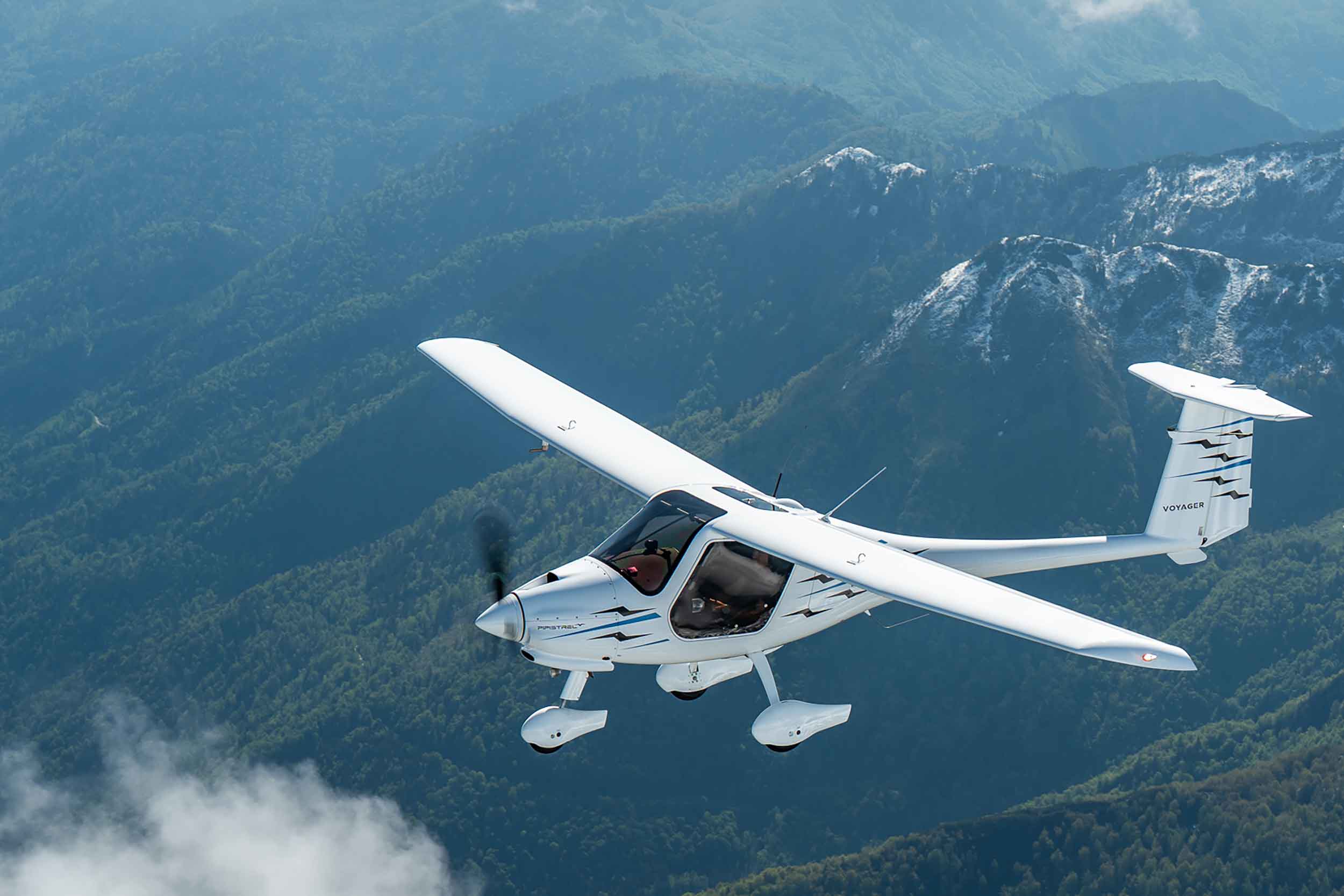
+VIDEO Pipistrel has revealed a new two-seat training aircraft at EAA AirVenture Oshkosh 2026, the Voyager.

Pipistrel says the new aircraft is a modern replacement and companion to traditional ab initio trainers while taking advantage of the expanded opportunities expected under the forthcoming MOSAIC regulations.

The Slovenian manufacturer, now part of Textron Aviation, says the Voyager has been designed from the outset as a “training workhorse” capable of handling everything from initial lessons to instrument and advanced training. The aircraft is expected to enter service during 2027.

Rather than replacing the ubiquitous Cessna 172, Pipistrel says the Voyager is intended to complement existing training fleets by giving flying schools a single platform capable of covering a wider range of training missions.

Among its headline features are IFR capability, certification for intentional spins, a whole-aircraft ballistic parachute system and a purchase price starting at €240,000.

Those capabilities are particularly significant as regulators move towards adopting the US regs known as MOSAIC (Modernization of Special Airworthiness Certification), which will allow manufacturers to build more capable light aircraft under performance-based rules rather than today’s more restrictive weight limits.

Pipistrel says the Voyager has been designed specifically with those anticipated regulations in mind, allowing flight schools to expand their training programmes without moving into larger and significantly more expensive aircraft.

Chris Crow, Vice President of Pipistrel Sales, described the aircraft as “a training workhorse”, adding that it allows operators to increase capability while maintaining the efficiency and reliability.

Power comes from the familiar Rotax 912 ULS, giving operators an engine already widely supported throughout the light aircraft training market. The Voyager has a maximum take-off weight of 1,389lb (630kg), a useful load of 552lb (250kg) and a claimed range of 740nm including IFR reserves, making it suitable not only for circuit work but also navigation exercises and longer instructional flights.

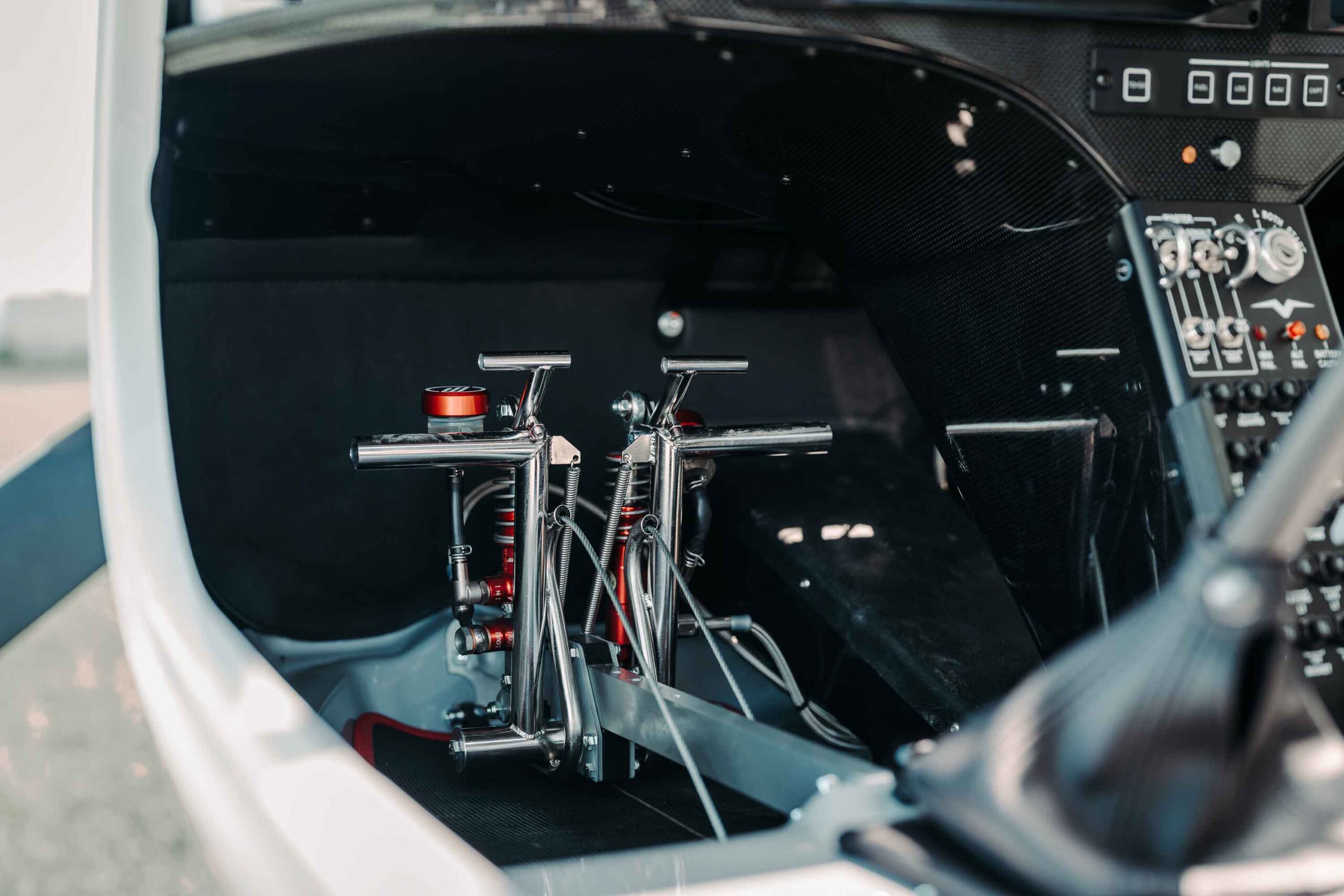
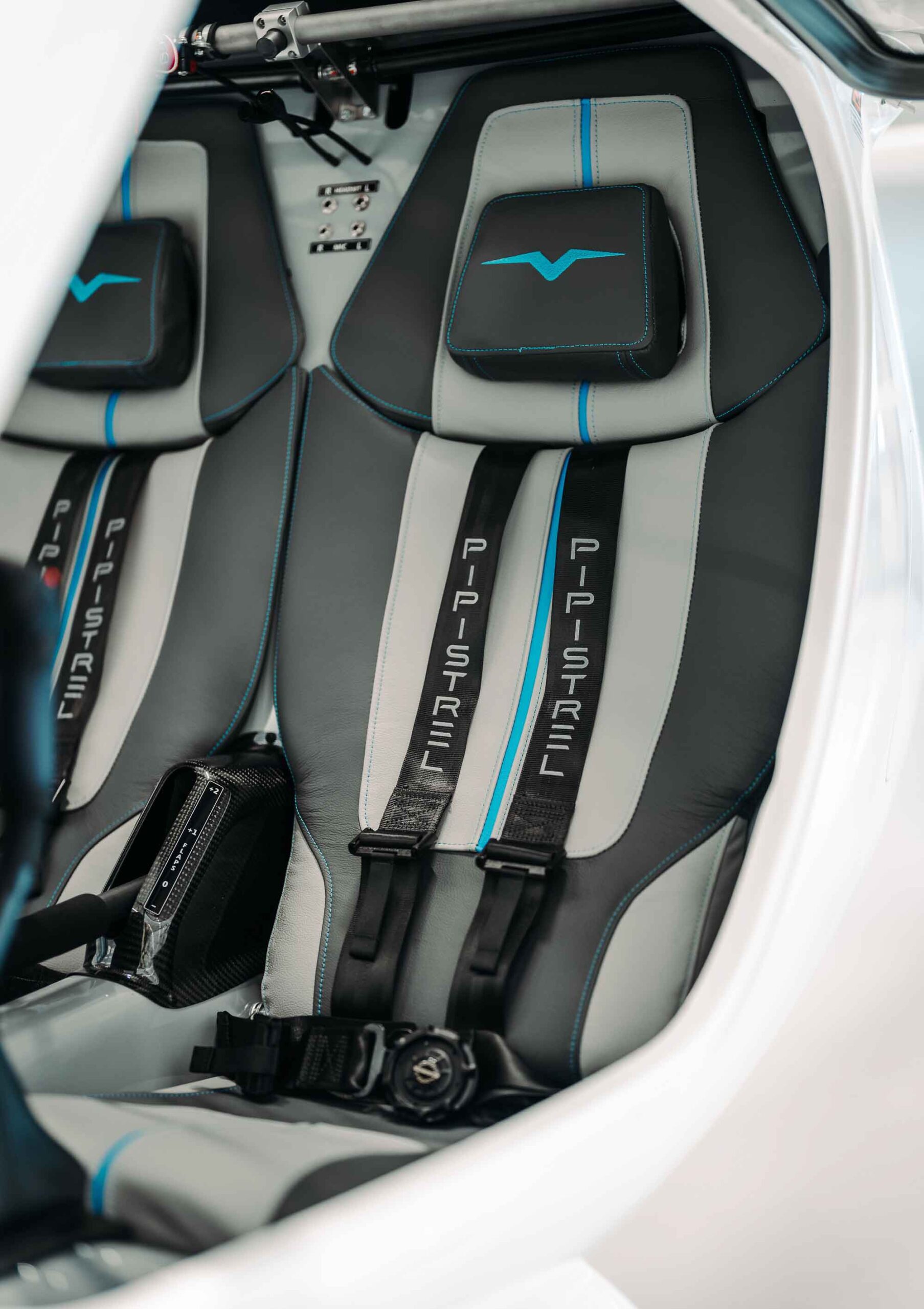
One of the aircraft’s most notable departures from previous Pipistrel trainers is its cockpit.

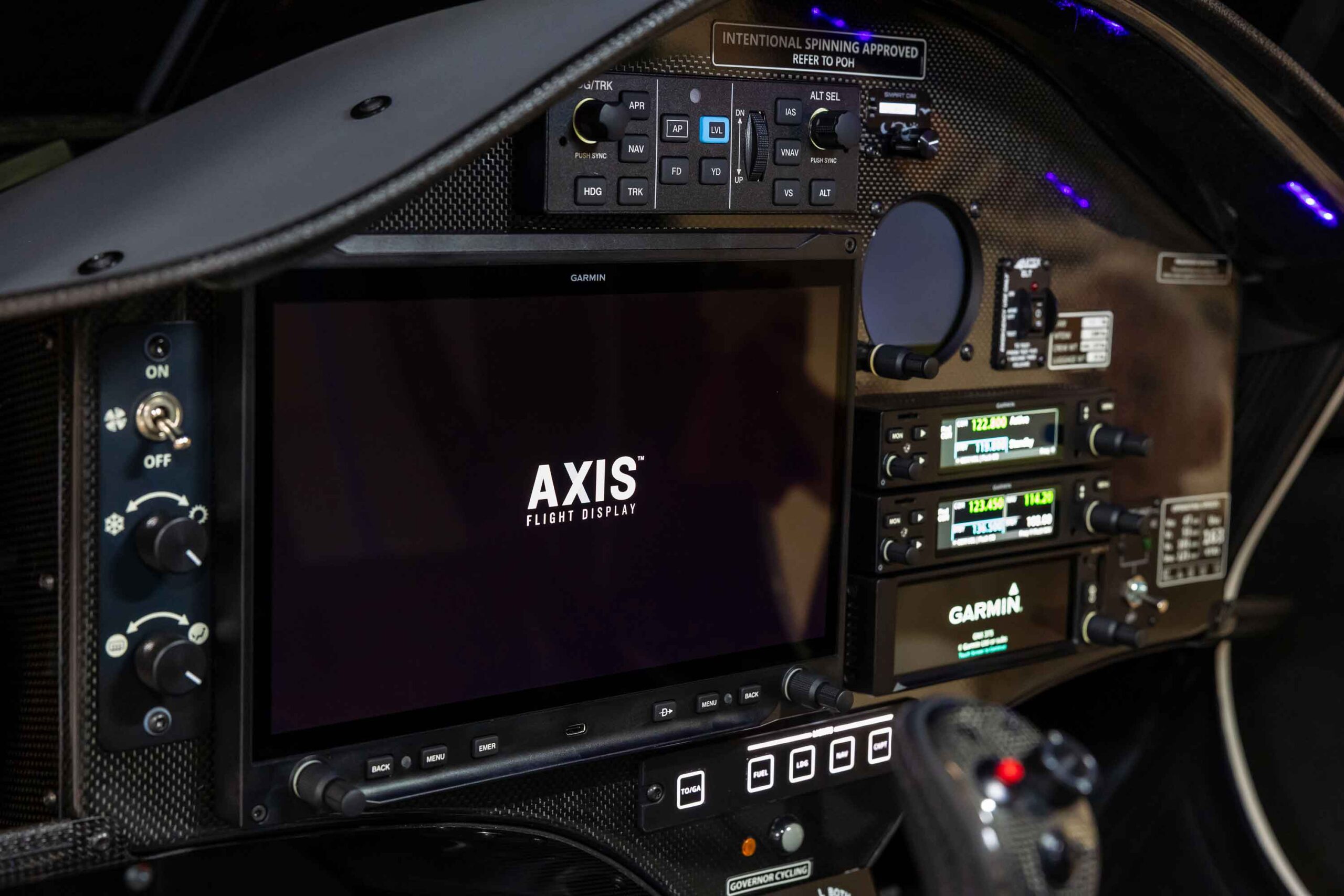
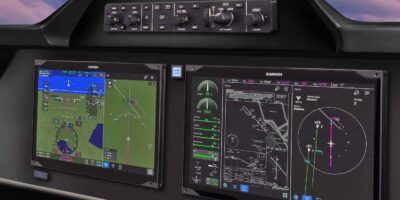
The Voyager introduces Garmin’s new AXIS avionics suite, centred around a large touchscreen display integrating flight, engine and aircraft systems.

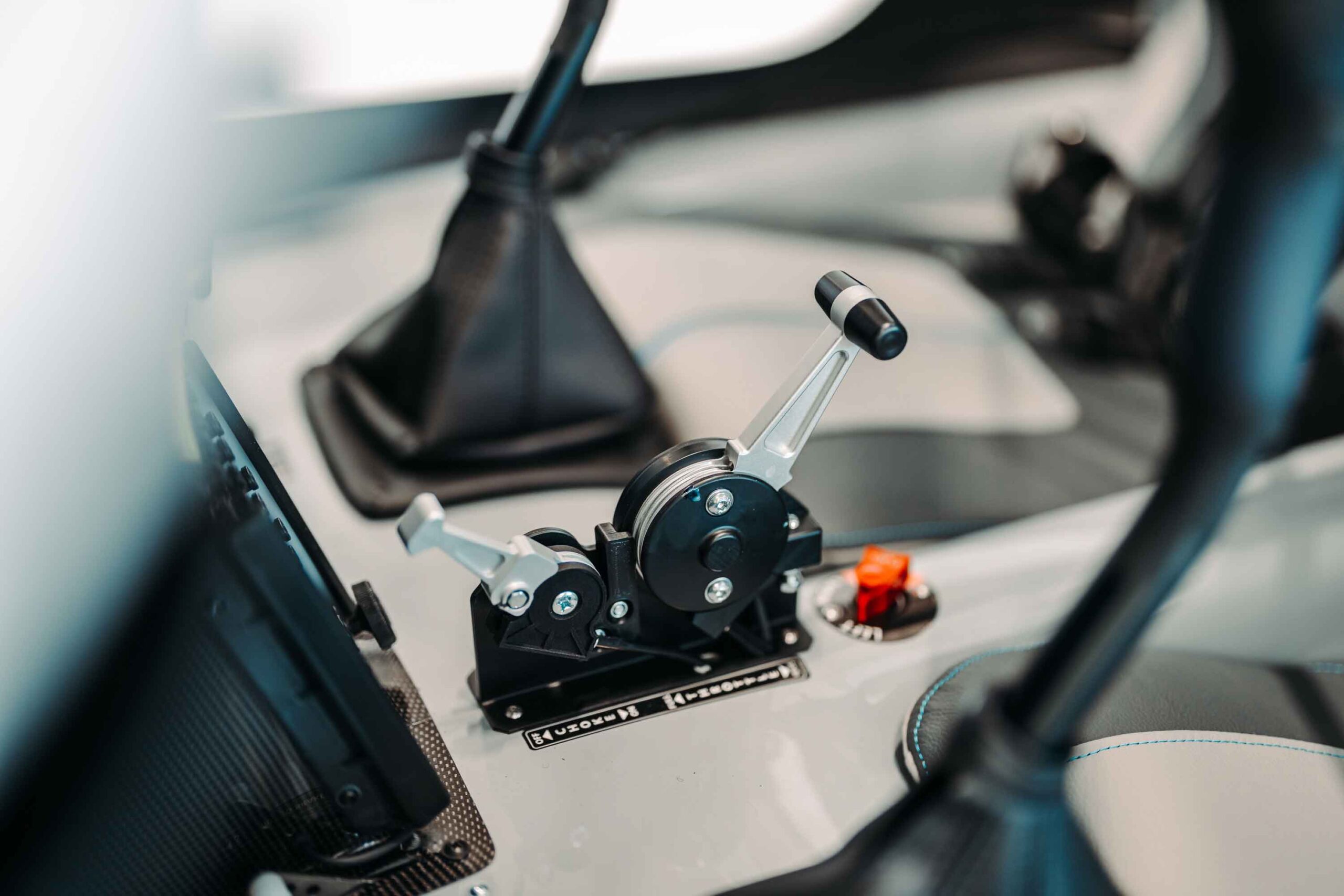
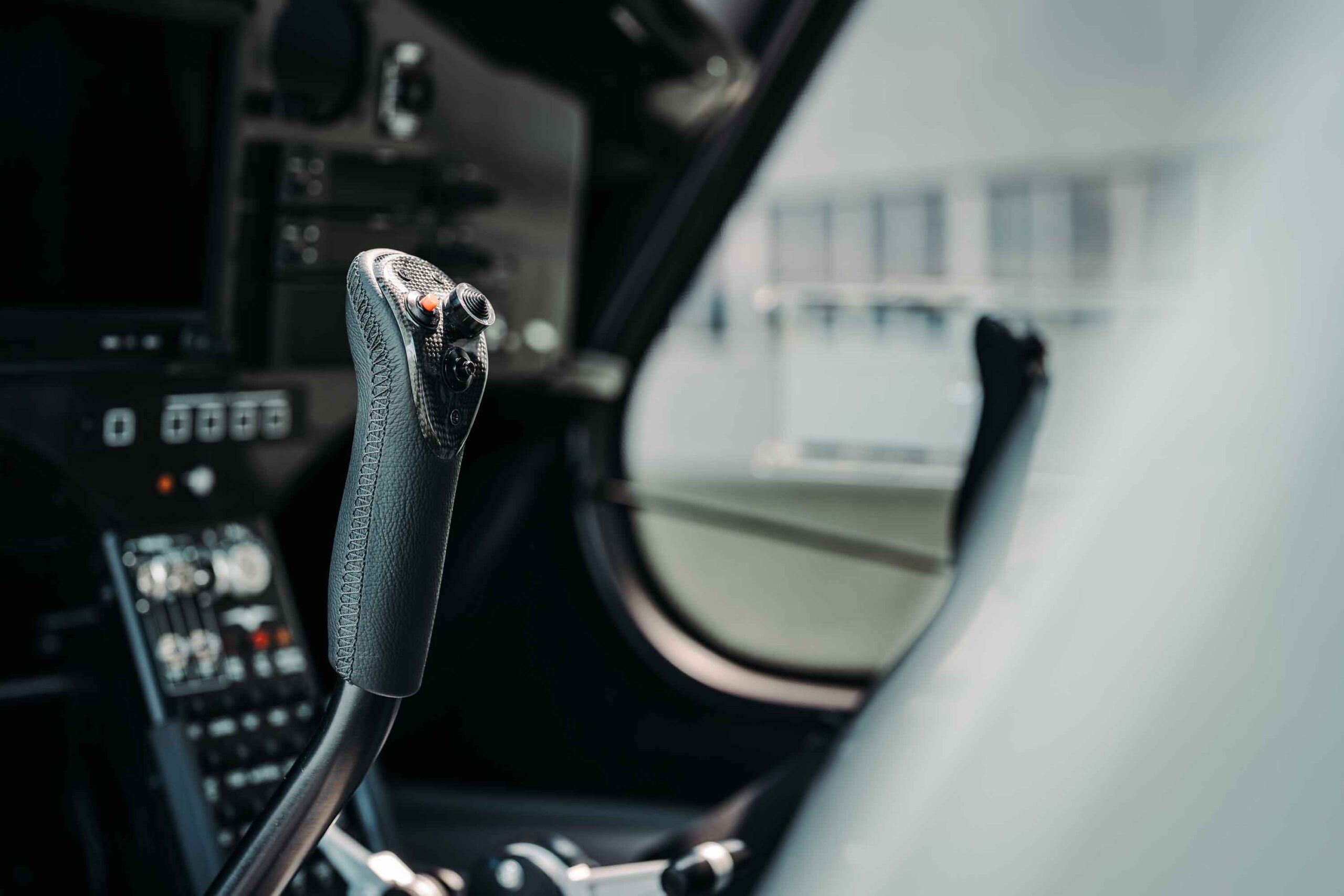
The package includes a three-axis autopilot with Garmin’s familiar blue LVL recovery button, electronic stability protection, haptic stall warning and a simplified single-lever power control intended to reduce workload for both instructors and students. Physical controls remain alongside the touchscreen for frequently used functions.

Textron believes this common avionics architecture will help students transition more smoothly through different stages of training while giving schools a modern cockpit environment that reflects today’s general aviation fleet.

Chris Hearne, Senior Vice President of Engineering at Textron Aviation, said the arrival of MOSAIC represented “a fundamental shift” in aircraft development, allowing manufacturers to introduce new technologies more rapidly while maintaining existing safety standards.

Pipistrel Aircraft

Share

Leave a Reply

Share
Topics
Enjoy 1 Free article OR Join today to enjoy unlimited access to all content
Join today

We use cookies to give you the best online experience. Please let us know if you agree to all of these cookies.