Special feature

Group ownership: A share of the dream

Learn to FlyInterested in owning an aircraft but put off by the thought of shouldering all the costs? Paul Kiddell suggests that it’s time to flick through the adverts, or better still, find some like-minded mates and start your own flying group…

Aviation is full of dreamers. Indeed, most of us dreamt of becoming a pilot from a young age. At some point in our lives, we put significant financial and personal resources into making it happen.

From our very first flying lesson, we all flick through the ‘aeroplanes for sale’ ads and many of us dream of owning a smart aeroplane that’s generally way beyond our financial means. Even if we can afford to buy one outright, ongoing fixed and variable costs can be daunting and a potential financial bridge too far.

However, there is a way to turn that dream into a financially viable reality, and without selling a kidney to do so. By joining like-minded individuals and pooling finances, joint ownership in a syndicate makes the impossible aircraft ownership dream eminently achievable. 

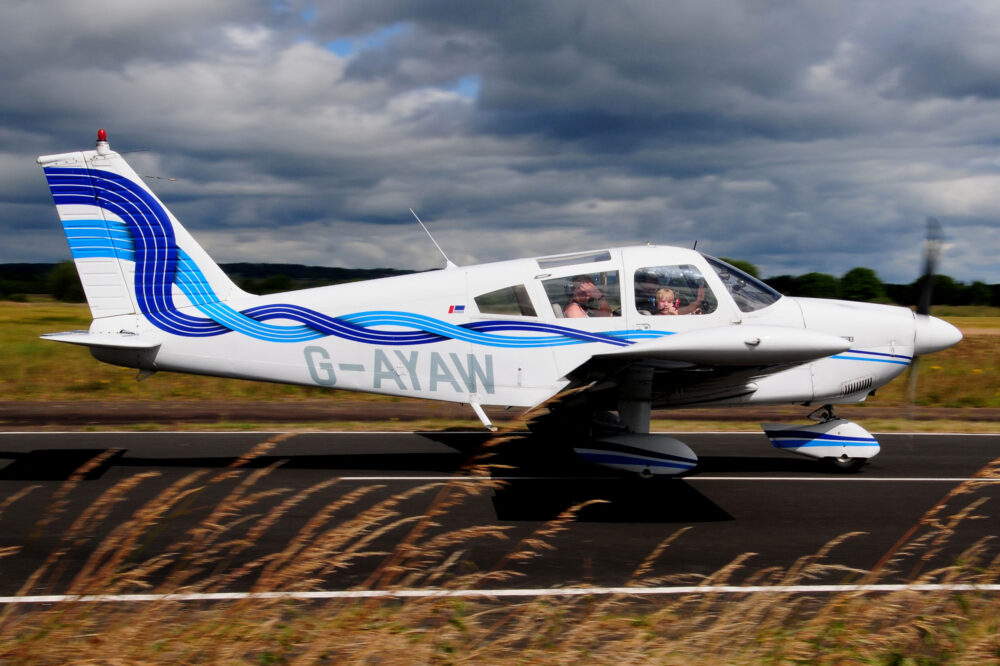
Looking at a selection of adverts, £6,000 will buy you a seventh share in a Cessna 172, £5,250 a quarter share of a Jodel DR1050 and £2,500 an eighth of a Piper Colt. In a group that Piper Arrow, Van’s RV-7 or more modest Cessna C150, Piper Cub or SkyRanger are suddenly affordable to pilots of relatively humble means.

Let’s be clear that we’re talking about ownership here – buying a physical share of an aeroplane in an equity group. In contrast, non-equity groups are exactly that – you don’t own anything and they’re just another way of renting an aircraft.

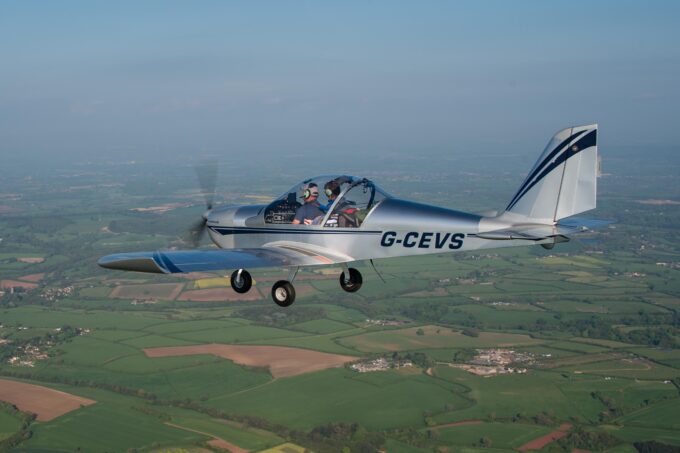
Eurostar Microlight
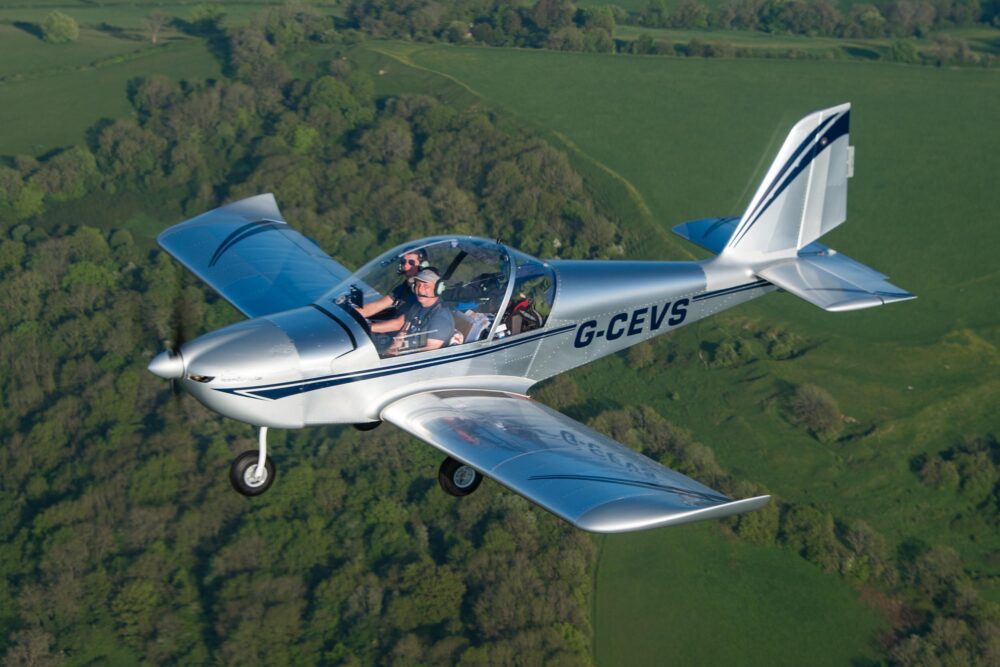
Paul's group owned Eurostar

Decisions, decisions…

So, where to start? Well, what do you want to achieve? Are you hour-building, looking to tour extensively with friends/family or just want to bimble solo on nice days? Do you want to learn or develop the dark-art of tailwheel flying, have a go at aerobatics, or maybe fly with an Instrument Rating?

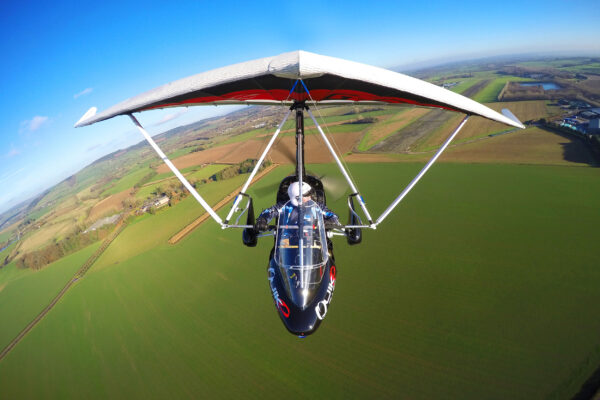
Recently, I even helped four students get together to buy a kit-built microlight EuroStar, on which they could train towards their NPPL microlight licences as, since November 2015, joint owners can train on their permit to fly aircraft, including those homebuilt from plans or kits.

Of course, your flying needs may change, but being clear on what you want in the medium to long term will help you make sensible decisions and get together with people who have similar aims. And recent (October 2025) changes to PPL regs mean it’s possible to start flying on a microlight and progress right through to an airline pilot’s licence.

The cost of running an aircraft on an Airworthiness Review Certificate (ARC) – known as ‘Part 21’ aircraft – can be daunting, and as you do your research, you’ll need to scrutinise the maths, to make sure that buying a share in an aeroplane makes financial sense, even in a group environment, over hiring an aircraft. If your aims can be met by an Annex II LAA Permit aeroplane or a microlight, then owner maintenance and cheaper, non-certified parts and equipment will drastically reduce your costs.

Be creative, you may believe that you’ll have to keep the aircraft outside, due to high hangar costs in your area, which may push you towards a traditional, factory-built Piper or Cessna. However, the large savings generated by going down the Permit route might make it more viable to buy a wooden, composite or fabric aircraft and have it hangared. That said, be realistic, if you’re an 18-stone rugby player and want to tour with a pal, then I’d respectfully suggest that microlighting may not be for you… 

With a good idea of the type or range of types that fulfil your requirements you can start looking at the market to get a feel for prices and availability. As always, it’s ‘buyer beware’, and due diligence is required, with a good independent check of any aircraft, just to be sure. You also need to get an idea of both the fixed and variable costs, to support your choice of aeroplane, and this will also inform your decision on the size of the group and ongoing finances required. 

Fixed costs

The fixed costs of hangarage/outside parking, insurance and annual ARC or Permit application fees are relatively easy to research. If you plan to fly regularly, you’ll want your base to be close to home. However, if you live in a remote area that may restrict the pool of potential partners and make forming a group difficult so compromise may be required.

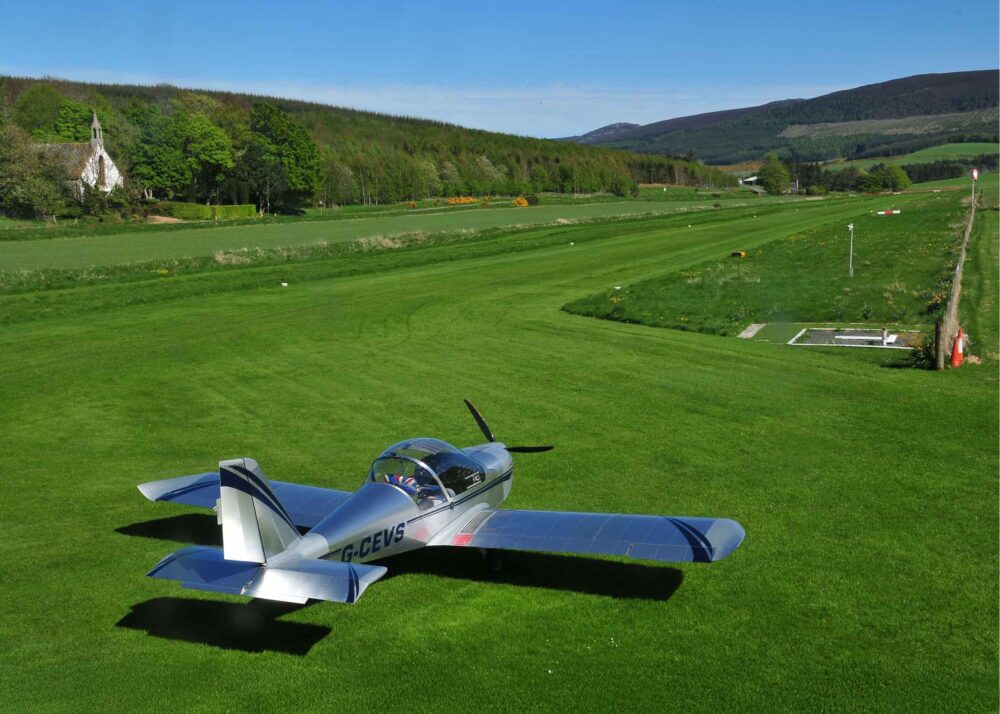
Many of the UK’s GA airfields are under threat, but the aircraft you favour may suit operation from a farm strip, which continue to grow in number, although it’s difficult to beat a hard runway for year-round operations. Local knowledge is key and if you’re offered a place on a strip, do your homework as you don’t want to spend months of each year grounded because the field turns into a swamp when it rains. 

Insurance is a complex area and while UK GA third-party liability and passenger insurance has been compulsory since April 2005, many view the legal minimums, which can be found for each aircraft on the CAA’s G-INFO database, based on EC Regulation 785/2004, as inadequate.

Although the risk of you colliding with an airliner full of passengers or coming down on a coach-load of Premier League footballers is judged to be exceptionally small, the risk of passenger injury is far greater and you need to ensure that group members are protected to the maximum extent, should the unthinkable actually happen.

Another advantage of group ownership is that you can spread the cost of increasing your insurance in such key areas as the Combined Single Limit, which covers third party and passenger liability. Other cover you might wish to add include Betterment (aka new for old) and Crown liability, which allows visits to military airfields and airside driving.

Bearing all this in mind, you’ll be able to source some insurance quotes, which you’ll be able to firm up once you’ve an idea of group numbers and their specific flying experience. Visicover’s excellent online portal allows you to fiddle around with proposed cover and generate quotes to your heart’s content, to gain a good feel for the costs involved. 

Variable costs

Ongoing variable costs are less scientific and harder to nail down. Wise men will argue that aircraft rental is cheaper than owning a standard ‘Part 21’ Piper or Cessna if you’re flying under 100 hours per year. However, the group route can negate that oft-stated wisdom by, once again, throwing combined financial clout at the costs involved. 

Many tidy CofA aeroplanes are available for relatively little outlay because the cost of their scheduled maintenance and associated rectification work is significant. Again, time spent researching will pay dividends and enable you to go down the group route with your eyes open.

Shopping around for fixed priced 50hr/semi-annual, 100hr/annual inspection costs will inform your decision, to a degree, but  think about how you’ll fund rectification work on what’s likely to be an ageing aeroplane. Searching the FLYER Forum threads may help. 

But you need to be realistic and accept that, although the average annual for say an older PA-28 might be £3,000 year-on-year, it may on occasion be £10k+. Clearly, that would be a big financial hit to take solo but it’d be much more palatable as a group. Of course, the recently introduced Self Declared Maintenance Programme (SDMP) enables owners to conduct some routine maintenance tasks themselves, which generally helps to keep costs down. 

Plan for maintenance costs and things such as an engine fund – then divide them into monthly member payments, or an amount per hour

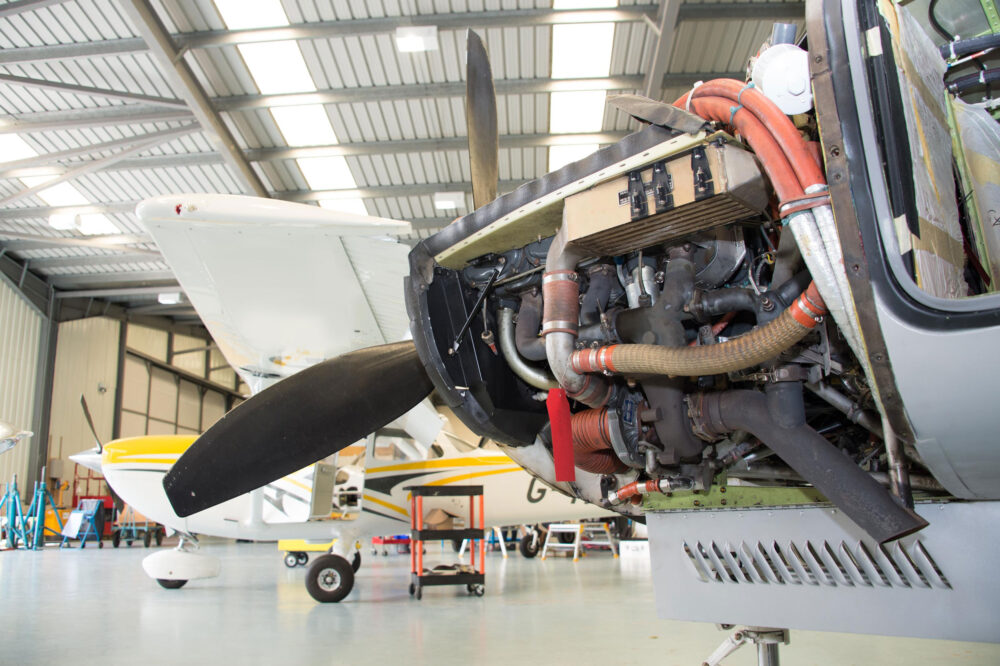
An important point to bear in mind with Part 21 aeroplanes is that the annual and servicing has to be carried out, regardless of how much the aircraft is flown. As a result, groups generally divide these costs into monthly member payments. That way, if you have a very quiet flying year, the costs will still be covered. Although most private groups will happily operate the engine ‘on condition’, it won’t last forever so it’s vitally important to establish an overhaul fund and build that into your hourly rate, going forward. The group’s treasurer must be strong and resist all attempts by members to raid the ring-fenced fund to buy new toys! 

On a Permit aeroplane, you may be confident with owner maintenance or may be lucky enough to find partners who are. Luckily, when it comes to the ubiquitous Rotax 912, there are also many reputable and highly experienced Independent Rotax Maintenance Technicians who offer fixed-priced servicing, which makes it easy to arrive at a tentative hourly maintenance rate. 

In addition to engine and prop, there may also be specific airframe maintenance issues, for which money needs to be put aside. For example, our group’s EuroStar will need the carry-through spar and spar caps replaced at 4,000hr so we also put an hourly sum aside to fund this significant future work. 

Unlike Part 21 aircraft, Permit aircraft (‘non-Part 21’) airframe and engine maintenance is triggered purely by the hours flown and it’s far easier to include these in the projected hourly rate. This system works exceptionally well, as those who fly the most end up paying an appropriately larger share of both powerplant and airframe maintenance and towards the ‘engine fund’. 

Group size and rules

Whatever the route to group ownership, detailed research will provide you with a good feel for a ballpark aircraft purchase price and the associated fixed and variable costs. All of that contributes to making a decision about how many shares to offer in the aircraft and each member’s slice of the fixed costs and hourly rate (dry or wet, depending on your view). At this point in the process, your calculations are a best guess so it’s a good idea to add a little on top of the projected monthly and hourly cost, to allow for wiggle room. 

A very small group of, say, three or four members has its advantages, in terms of availability, but going with eight or more has benefits too, such as being able to support good-quality hangar space, provide plenty of capital for upgrades and, importantly, keep the aircraft flying regularly.

Almost certainly, the group size will be related to your budget and both the purchase and ongoing costs – there’s certainly a balance to be struck if it’s to appeal to potential partners with a similar mission. Speaking of group numbers, the 2016 Air Navigation Order did away with the old CAA rule of a five per cent minimum ownership stake, giving maximum of twenty owners, and the size is now unlimited. That said, speaking to the CAA, the number of owners in a group is rarely over 20.

Groups of three or more are generally registered with the CAA, in the name of one individual who’s nominated as Trustee of the Assets (T/A), though all individuals who have a share are registered on the CAA Form CA04 membership grid. The latter must be updated every time an individual joins or leaves the group, but as long as the T/A remains the same, there’s no charge to do so. 

You can now look for partners or, if you’re feeling flush, even source aircraft and then do so. Clearly, potential partners will need to checked out on type and, for more complex machines, thought needs to be given as to their minimum hours and experience. Having people you know and trust is always a bonus. 

Cohesion is the key to a happy and successful group and although you may be a good judge of character, it’s essential to have a robust set of group rules. These will hopefully gather dust but if things do go pear-shaped, with firm rules, the group will have a mechanism to eject those who badly compromise it. 

The BMAA has a set of group ownership rules on its website, which can be downloaded in PDF form from here. Essentially, group members should formally agree to operate legally and in such a way so as not to negate the aircraft’s insurance. A simple group ‘majority decision vote trumps all’ clause will enable you to make sensible decisions and even buy out those who while not operating illegally, turn out to be a right royal pain in the proverbial. Those establishing a group may purchase more than one share, to exert greater control and influence. 

Group rules should also cover the sale of shares, with them being part of the assets of the group, i.e. both the aircraft and the funds. Many groups retain the option to have first refusal on buying any share put up for sale, to control the process or even reduce the number of members. This can cause valuation problems so a group can consider setting the value of the aircraft at an AGM, to cover the year ahead, which will also help inform the insurance renewal. 

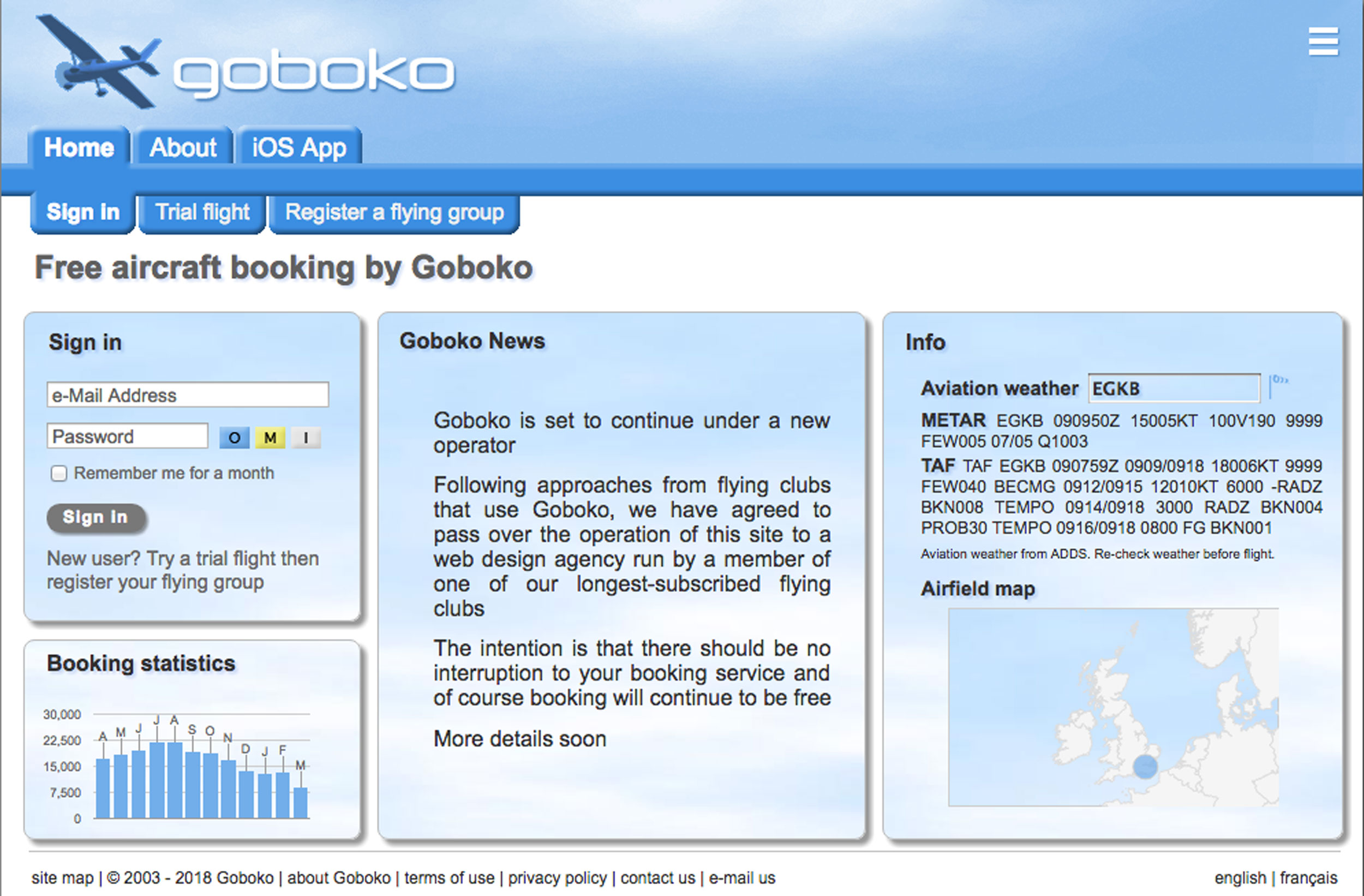
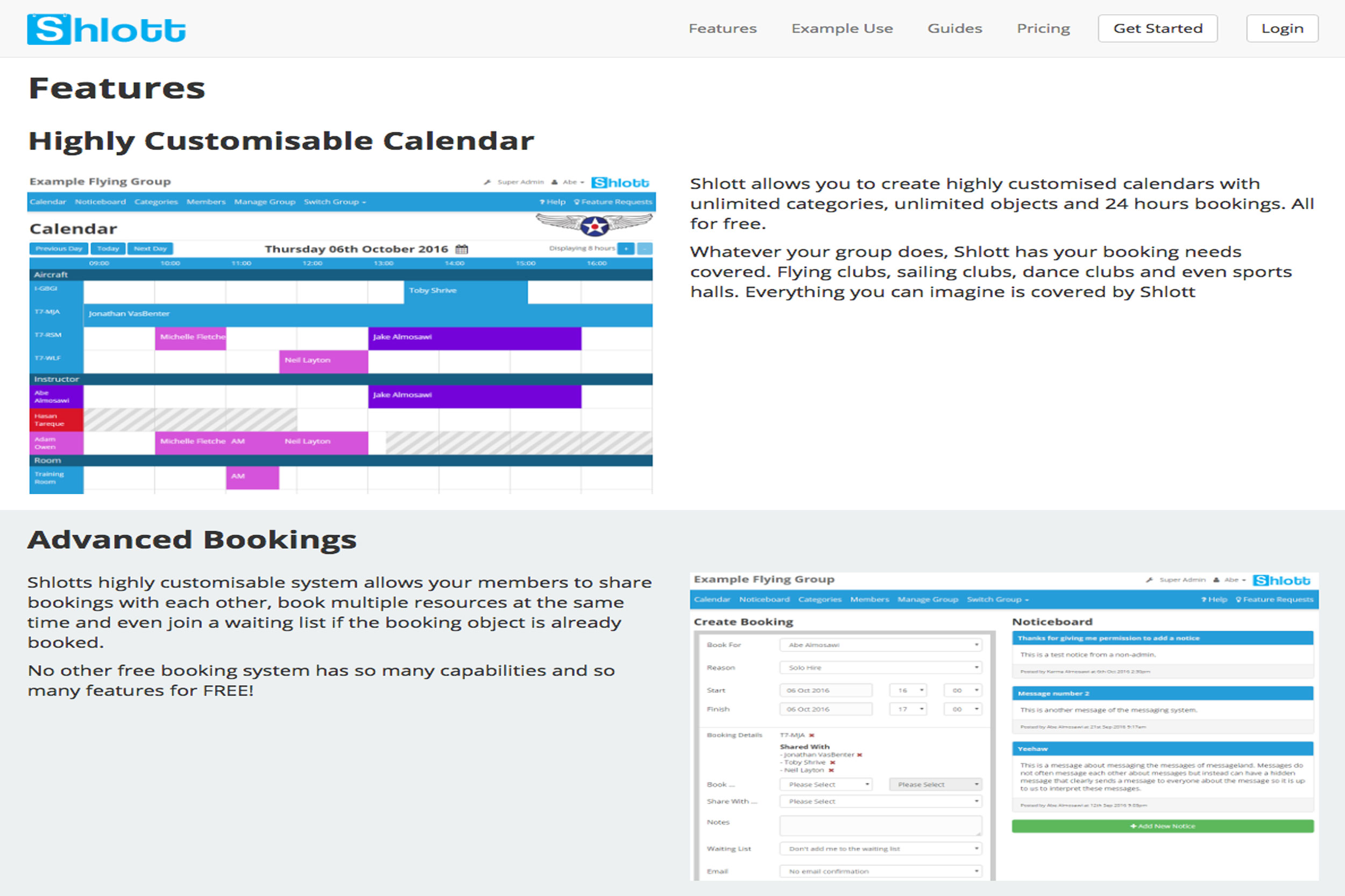
Availability is often cited as the major downside of group ownership but the reality is that even in very large ones, the aircraft will spend more time sitting on the ground than flying during the UK’s 4,380 annual daylight hours. Booking rules need to be established, to make the system fair to all members. The number of active bookings, weekends and maximum days away touring all need to be considered. There are several excellent free online aircraft booking websites, including www.goboko.com and also www.shlott.com, although some groups simply use Google Calendar.

As with any new group, these rules will evolve as things settle down. Our four-strong group communicates well so although we have booking rules I really can’t remember what they are as we’ve never needed to refer to them!

Let the fun begin…

Finally, it’ll be time to go and fly! Groups are a fantastic way to develop your flying with like-minded people to exotic destinations. You, the aircraft’s owners, are in charge of the maintenance and upgrading of your pride and joy, and you can learn from the more technically savvy members. Certainly, your group will boast a variety of flying backgrounds and the inexperienced can benefit hugely from more accomplished pilots while sharing the cost of exciting trips. 

When you fly, it matters not whether you own five or 25 per cent of the aircraft, there’s nothing better than flying YOUR wonderful aeroplane. There will undoubtedly be challenges, but the mutual financial and moral support offered as a member of a well-run group will make these far easier to overcome. As a member of a rather exclusive social club, you’ll finally be able to realise that seemingly impossible dream of flying your own aeroplane.

The author's own group…

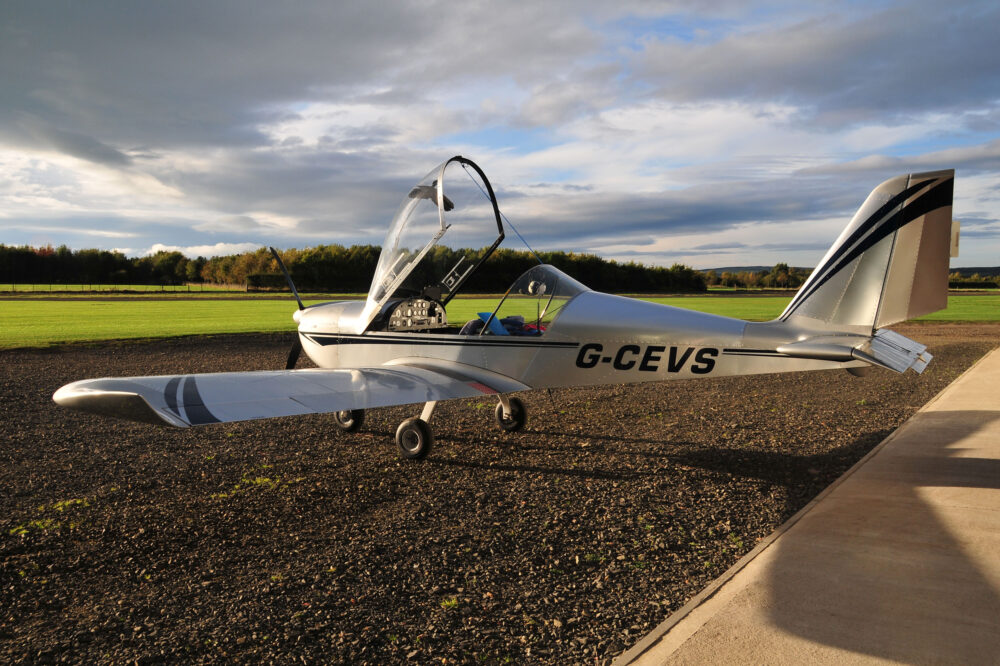
G-CEVS is a much-loved 2007 EuroStar microlight which myself and three flying buddies purchased in June 2015 for around £9k each. We’d all previously flown EuroStars in the local school’s non-equity group but wanted better availability for touring. Ultimately, we wanted control, not only of availability but of our own maintenance and upgrades, while owning an asset which continues to enjoy rock-solid residuals. 

The best bit of advice we took on board was to have a signed agreement that set out some basic rules. You may all start out being flying friends, but should the unthinkable happen, it’s important to have a clear agreement in place that sets specific conditions for how things will be dealt with.

We each pay £70 per month for an excellent hangar and insurance, and £30 per hour wet. The EuroStar’s 80hp Rotax 912 only uses about ten litres of mogas per hour so the fuel cost is only around £12. That means £10 per hour goes into our engine and spar fund – the 450kg EuroStar needs a new carry-through spar and spar caps at 4,000hr – while the remaining £8 is for scheduled servicing, consumables and odds and sods, such as charts. We enjoy an excellent relationship with our engineer and LAA Inspector, Chris Theakstone, and we remain with him during servicing to assist and, more importantly, learn.

Paul's group began when he and three flying buddies bought G-CEVS, a much-loved 2007 EuroStar microlight

G-CEVS is cleaned and hoovered after every flight and we make a social event of deep-cleaning and routine maintenance by going out to eat afterwards. Over this winter we completely replaced our panel and have fitted an 8.33kHz Trig TY-91 radio, a Kanardia Horis 80 electronic AHRS, Charge4 USB charge points and permanent PilotAware system while connecting our transponder to provide ADS-B Out.

This has cost maybe £2,500, which isn’t cheap but is very achievable when split four ways. 

Overall, syndicate flying has provided highly affordable, fantastic flying adventures with funny and generous piloting partners who have become great friends. I can’t recommend it enough. 

North East Flyers Group

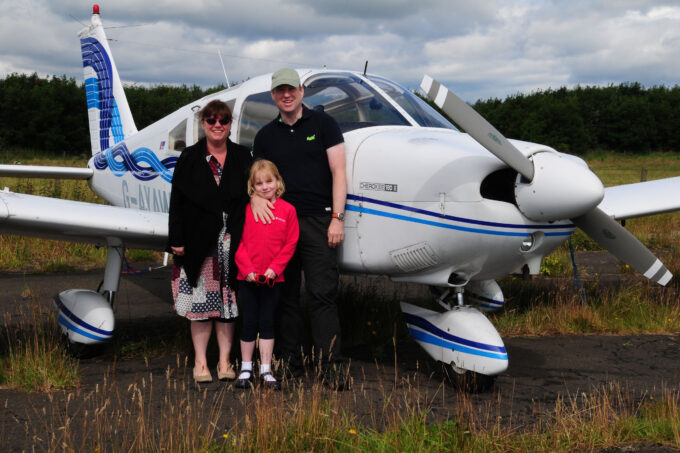
When the owner of a 1970 ‘Hamble’ Piper PA-28-180 Cherokee decided to sell in 2016, a circle of friends, including Steve Hornsby, decided to set up The North East Flyers Group.

“Our agreed core principles are a maximum of eight members, to allow for good access to the aircraft,” Steve explains. “A membership fee of £100 per month covers hangarage, maintenance and insurance. On top of that, we have an hourly wet charge which incorporates an engine fund accumulator (£80 wet +0.2 Hobbs).”

“The plan was for the group members to use the Cherokee for fun-flying, with no heavy hour-building or commercial usage, which would all push the costs up.

“Taking advice from the AOPA website and forums, we drafted a reasonably strict Group Agreement, to clearly lay out our expectations and as a reference to resolve any potential conflict. We’ve never been short of prospective members and sticking to our principles has seen us turn down several hour-builders. 

“Each group member takes a role in ownership of the aircraft, these include serving as treasurer, looking after the log books and being the maintenance coordinator. Everyone contributes and we also have a cleaning coordinator and a member who ensures that the charts in the aircraft are current.

“After 15 months of operation, availability has proved to be excellent and we’ve only had two booking conflicts, both of which were resolved without drama.

“Modern technology has helped keep the group running smoothly, in terms of both communication and online booking, for which we use Goboko. 

“I really enjoy the flexibility of group ownership. I don’t have to book weeks in advance to try and work around a flying school’s busy schedule and I’m not beholden to a club’s currency requirements. I can go to the airfield at short notice and fly off to an exciting destination with the minimum of fuss. Indeed, touring is much more relaxed without the minimum daily flight times insisted upon by many clubs and non-equity groups. Overall, it’s a great feeling owning a very capable touring aeroplane, knowing that every penny spent goes back into our PA-28 rather than someone else’s pockets.”

Share

Leave a Reply

Share
Topics
Enjoy 1 Free article OR Join today to enjoy unlimited access to all content
Join today

We use cookies to give you the best online experience. Please let us know if you agree to all of these cookies.