Learn to Fly

Learn to Fly 2026: Gliding – Part 1

Learn to Fly

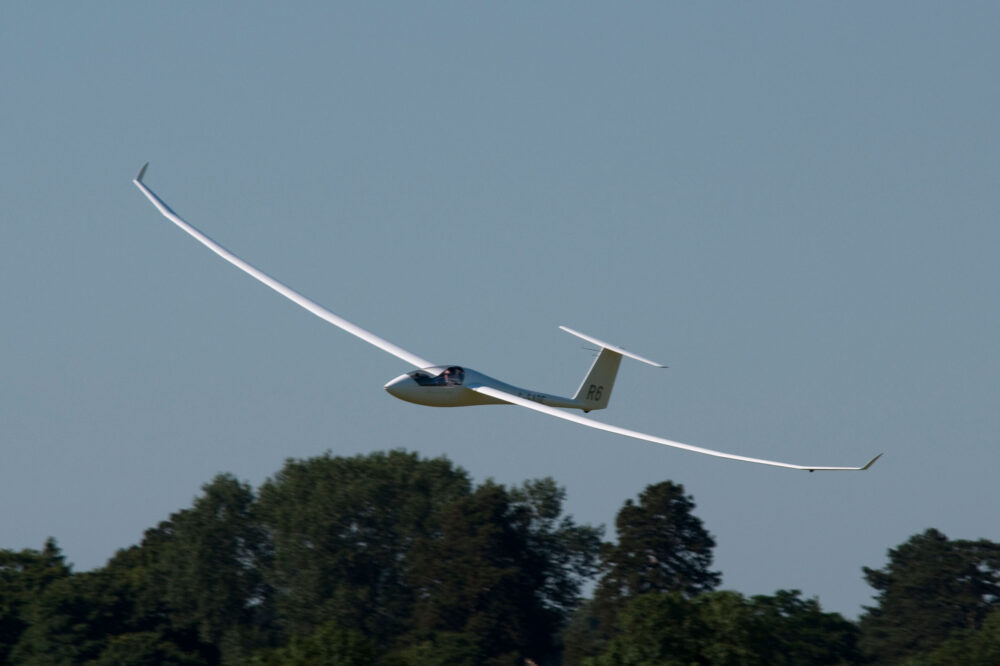
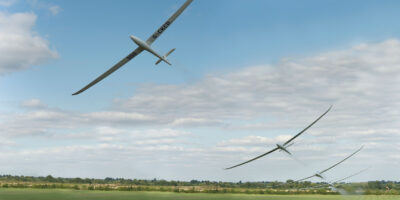
Gliding is one of the most accessible and rewarding ways to enter the world of flight – whether you’re looking for a weekend challenge or a lifelong pursuit, gliding offers a sense of freedom…

Credit: British Gliding Association

Gliding, for many, it is the starting point of a lifelong career; for experienced power pilots, it offers a return to ‘pure’ aviation – a challenging, engine-free environment where skill and an understanding of the elements are paramount. Once you master the basics – and for those converting from power, rediscover the importance of rudder pedals – you enter a world shared with birds, staying airborne by utilising naturally occurring currents of air.

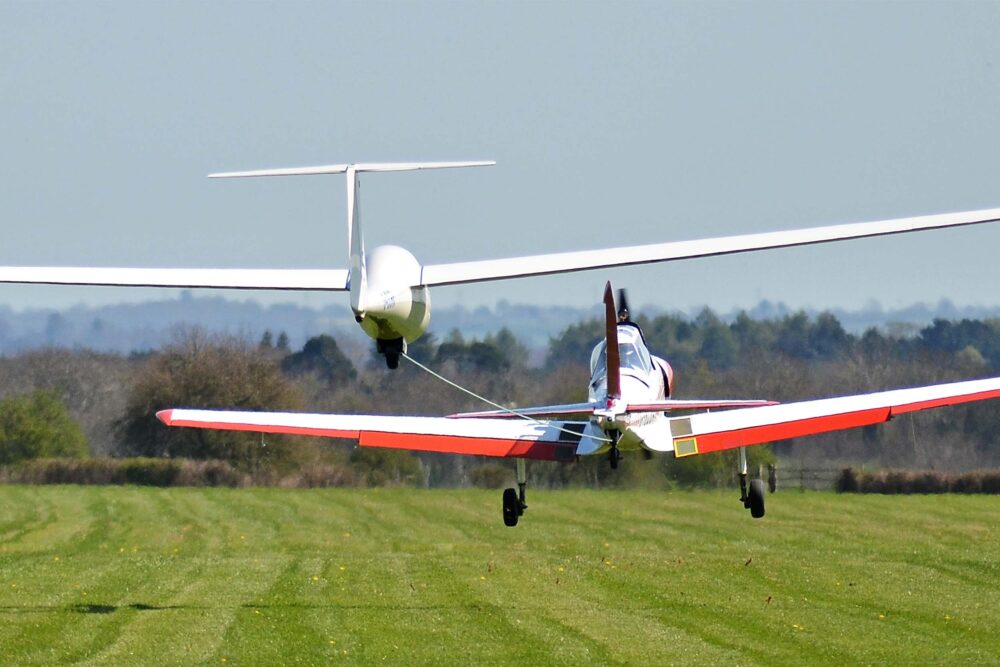
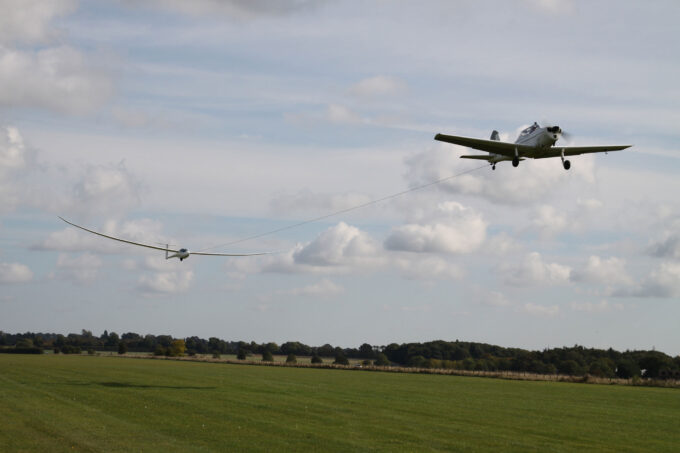
The two main methods of getting airborne in a glider are on a winch launch or an aerotow

Pushing the boundaries: Distance & altitude

Gliding is a high-performance sport. In the UK, cross-country flights of 300km are routine, with the national distance record standing at over 1,100km.

The limits of the sport are truly staggering:

  • UK Altitude: Over 35,000ft achieved in the lee waves of Scotland.
  • World Altitude: The Airbus Perlan project reached 76,000ft over the Andes in a pressurized glider.
  • World Distance: The farthest single flight recorded is 3,008km.

A community for all ages

With a minimum solo age of 14, gliding fosters a vibrant junior community with its own competitions and expeditions. However, the cockpit is open to all; as long as you meet fitness levels similar to those required to drive a car, pilots regularly fly well into their seventies and eighties.

From RAF Typhoon display pilots to commercial captains and even astronauts like Tim Peake, pilots of all backgrounds are drawn to gliding for the freedom and the unique challenge it presents.

Your Path to the Cockpit

Most flight training occurs year-round, weather permitting. Many clubs offer weekend instruction, while others provide dedicated midweek courses—the most efficient way to progress toward your solo flight.

The Financials* Gliding is remarkably cost-effective compared to traditional power flying:

  • Glider Hire: Approximately £30 per hour.
  • Winch Launch: Around £10.
  • Aerotow Launch: Around £35.
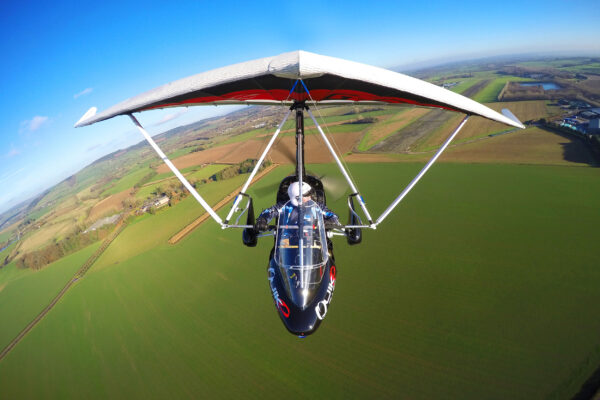
  • Motor Gliding (TMG): Often less than £100 per hour.
  • All-Inclusive Packages: Many clubs offer fixed-price packages to help you manage your budget.
  • Discounted Rates: Reduced fees are available for students and pilots under 25.

Credits toward your PPL

If your ultimate goal is a Private Pilot License (PPL), gliding is a strategic first step. The hours and skills logged in a glider can often be credited toward the requirements for power licenses, giving you a significant head start in both experience and “stick and rudder” coordination.

Get involved

With clubs located from the Highlands of Scotland to the South West of England, you are never far from a launch point. Whether you want to book a structured course or simply watch the aircraft in action, visitors are always welcome.

*Prices correct as of March 2026.

(Image credit: British Gliding Association)

 

Click here for Gliding: Part 2 to discover the prestigious ‘badge system’, gliding vs power and more.

Share

Leave a Reply

Share
Topics
Enjoy 1 Free article OR Join today to enjoy unlimited access to all content
Join today

We use cookies to give you the best online experience. Please let us know if you agree to all of these cookies.