Learn to Fly

Learn to Fly 2026: Gliding: Part 2

Learn to Fly

In Gliding: Part 2 take a closer look at how both gliding and powered aviation complement each other

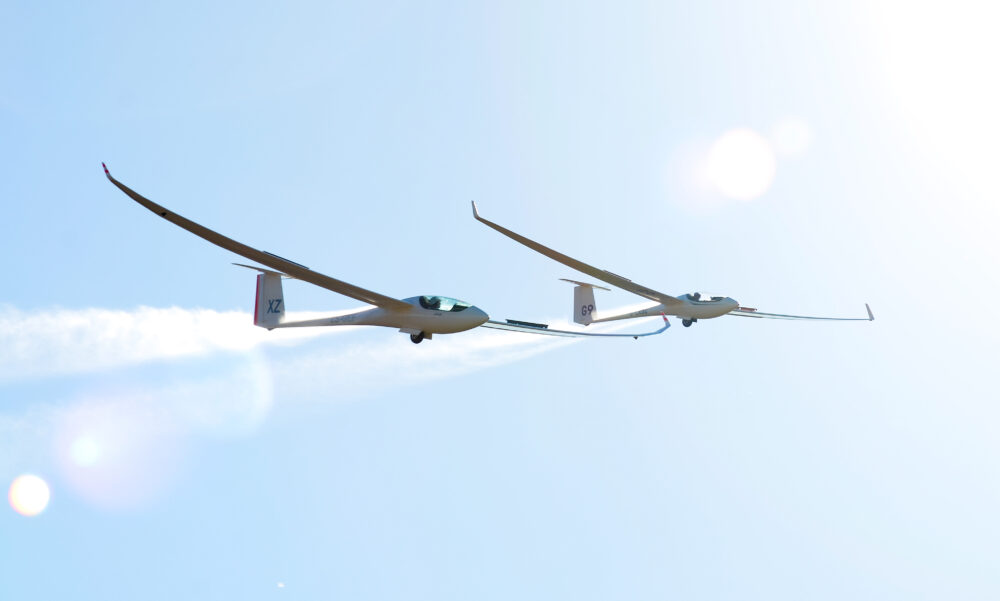
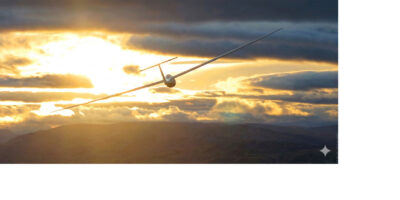
Photo: Clement Allen

The soaring path – skills, badges, and beyond

While many begin gliding as a hobby, it often evolves into a pursuit of personal excellence. Unlike many sports where progress is measured only by time, gliding has an internationally recognised ‘Badge’ system that charts your growth from a local pilot to a world-class aviator.

The FAI badge system: Milestones of a pilot

Once you fly solo, you can begin earning the prestigious Federation Aeronautique Internationale (FAI) badges. These are the gold standard of soaring achievement:

  • Silver Badge: Your first major milestone. It requires a 5-hour endurance flight, a height gain of 1,000m, and a cross-country flight of at least 50km.
  • Gold Badge: Stepping into the big leagues. This requires a 300km distance flight and a height gain of 3,000m.
  • Diamond Badge: The pinnacle of the sport. Accomplishments include a 500km distance flight and a staggering height gain of 5,000m (over 16,000ft).

Click here to go back to Part 1

Credit: British Gliding Association

The aerodynamic edge: Gliding vs. Power

Experienced power pilots often find that gliding makes them significantly better ‘stick and rudder’ flyers. Here is why the two disciplines complement each other so well:

Powered Aviation vs. Gliding (Soaring)

  • Primary Goal
    • Powered Aviation: Focuses on efficiency in getting from Point A to Point B.
    • Gliding: Focuses on the optimisation of energy and lift to stay airborne.
  • Landing Dynamics
    • Powered Aviation: ‘Go-arounds’ are always an option if an approach isn’t perfect.
    • Gliding: Every landing is a ‘dead-stick’ precision landing; you have one shot to get it right.
  • The Role of Weather
    • Powered Aviation: Weather is often viewed as a hurdle or something to avoid.
    • Gliding: Weather is viewed as the ‘engine’; it must be read, understood, and mastered to progress.
  • Rudder Use
    • Powered Aviation: Often considered secondary and can sometimes be neglected by pilots.
    • Gliding: Absolutely essential for maintaining coordinated and efficient flight.
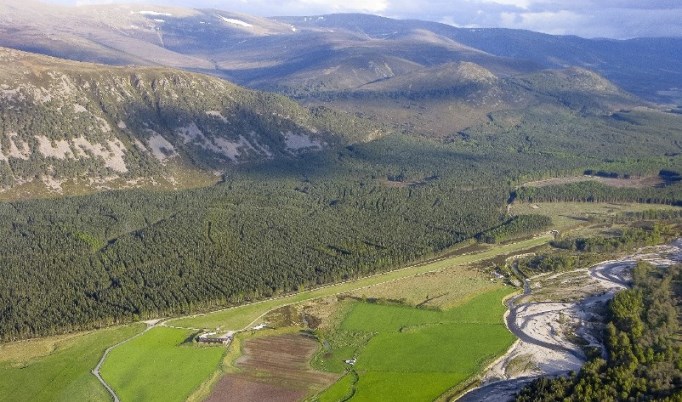
Gliding Club Feshie

Environmental care

In an era where sustainability is vital, gliding stands out as the most environmentally friendly way to fly.

  • Energy efficiency: A winch launch uses roughly one litre of fuel to put a glider at 1,000ft. Once released, the pilot can fly for hours using only solar and atmospheric energy.
  • Quiet skies: Without engine noise, gliding reduces noise pollution, making it a “good neighbor” to local communities and wildlife alike.

Career launchpad

It is no coincidence that many of the world’s top pilots started in gliders. Because gliding requires you to “feel” the air and manage energy without a throttle, it builds a foundation of situational awareness that is highly prized by:

  • Commercial Airlines: For superior handling and emergency decision-making.
  • The Military: Many RAF pilots began their journey in the Air Cadets or junior gliding clubs.
  • Aerospace Engineering: Understanding the raw physics of flight from the cockpit.

Quick glossary

  • The Launch Point: The airfield hub where the action happens.
  • Winch Launch: Zero to 60mph in seconds using a ground-based cable.
  • Aerotow: Towed to height by a ‘tug’ aircraft.
  • Variometer: The ‘Vario’ – beeps to tell you you’re climbing.
  • Yaw String: A piece of string on the canopy that ensures you’re flying straight.
  • Land-Out: Landing in a safe field when the lift runs out — a routine part of the sport.

Take the first step

Training happens year-round. Join a club, sign up for a course, and get involved with the team on the ground.

Share

Leave a Reply

Share
Topics
Enjoy 1 Free article OR Join today to enjoy unlimited access to all content
Join today

We use cookies to give you the best online experience. Please let us know if you agree to all of these cookies.