I want to have fun when I fly
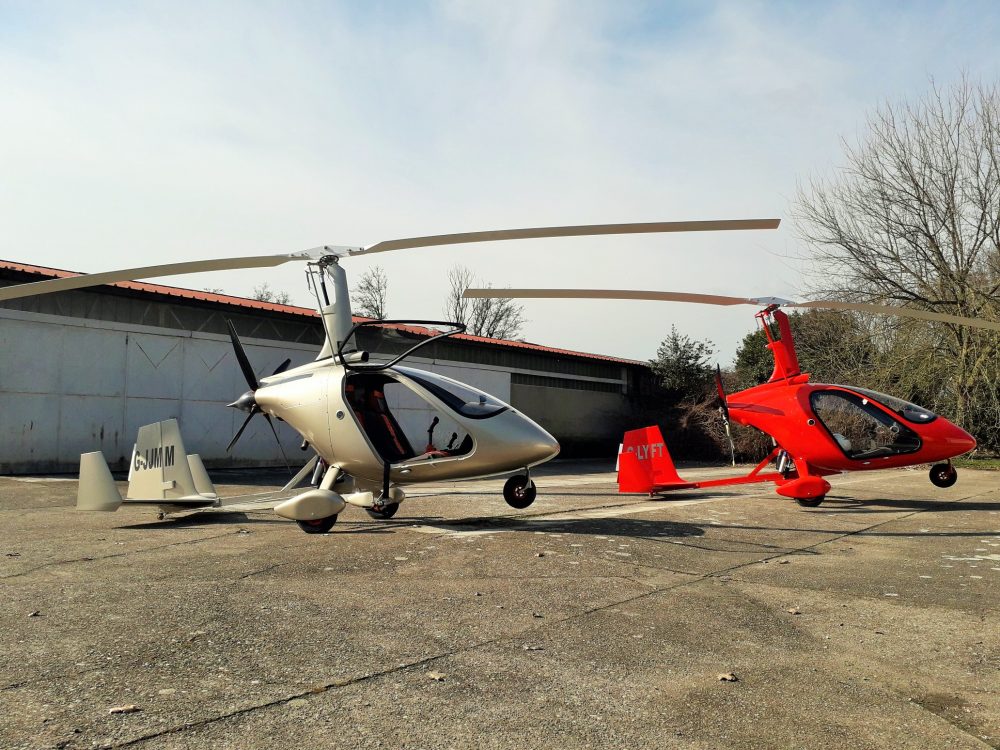
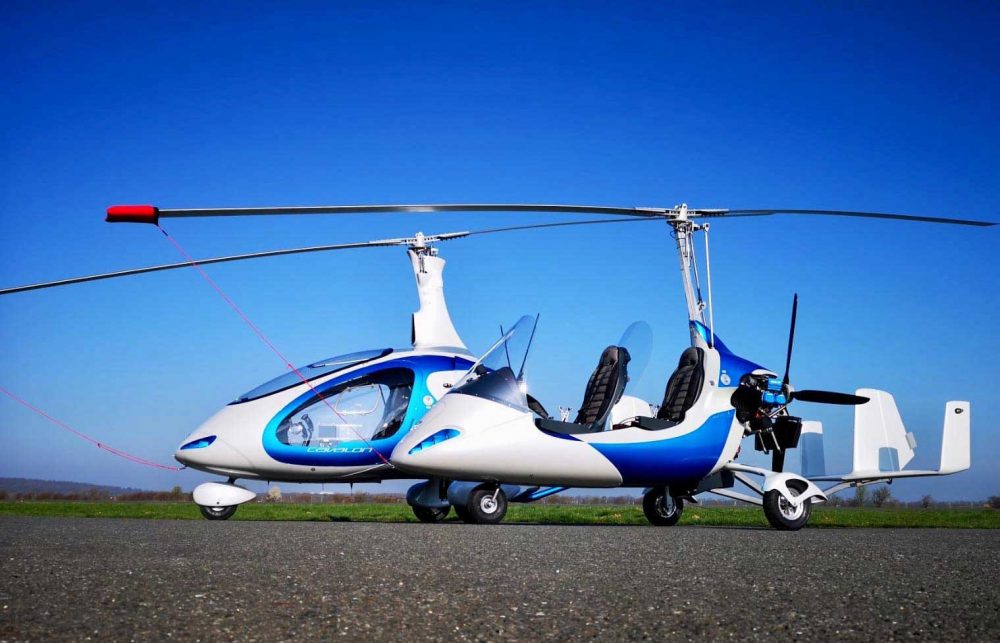
Read any technical book about aircraft and it will tell you that a high-wing loading (i.e., a small wing) will give you manoeuvrability. If you take a look at a gyroplane’s ‘wing’ (the rotor) – it’s tiny.
Gyroplanes, being rotorcraft, are very, very manoeuvrable. A turn which would have the typical aeroplane pilot’s false teeth and toupee making a bid for freedom is an undramatic, standard manoeuvre in a gyro.
- Slow speed flight? No stall, so no problem.
- Vertical descent? With the engine at idle, it’s a standard beginner’s manoeuvre.
- Steep approach? Every time.
- Short landing? It’s a given.
I want to be able to see things
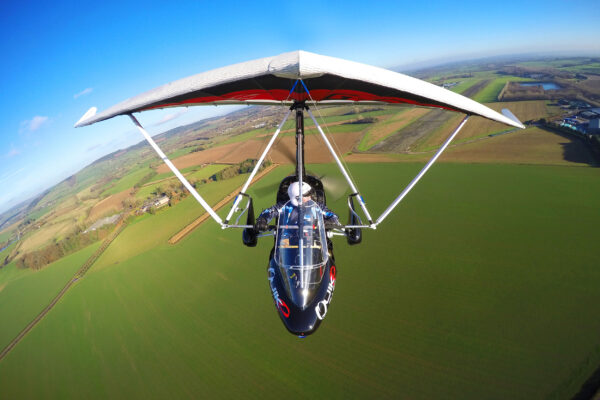
With no engine or wings getting in the way, the view is pretty much unlimited. The controllability of a gyroplane and its short landing roll means that you can safely fly a gyroplane low(ish). Because if the engine were to fail, you don’t need to glide to a massive field in order to land. It is often said that you can land a gyro on a tennis court – that’s true if you take the net down first…
Will the weather stop me from flying?
“Aha! So you can’t fly a gyroplane in any weather,” the cynics cry. Now that is, of course, true. But let’s not forget that this is sport aviation, and there isn’t much point in flying for fun if you can’t see anything.
You want to go flying on the days when the weather is largely OK (a reasonable cloudbase and decent visibility) without having to worry about other stuff. This is an area where the gyroplane really excels:
- Turbulence: With its tiny rotor turning at about 350mph at the tips, you really don’t notice turbulence in the way that you would in an aeroplane.
- Gusts: A high rotor speed also means that you don’t have to worry about stalling on a gusty, turbulent approach.
Crosswinds: No problem! And if they do become an issue, you can just land across the runway into the wind.


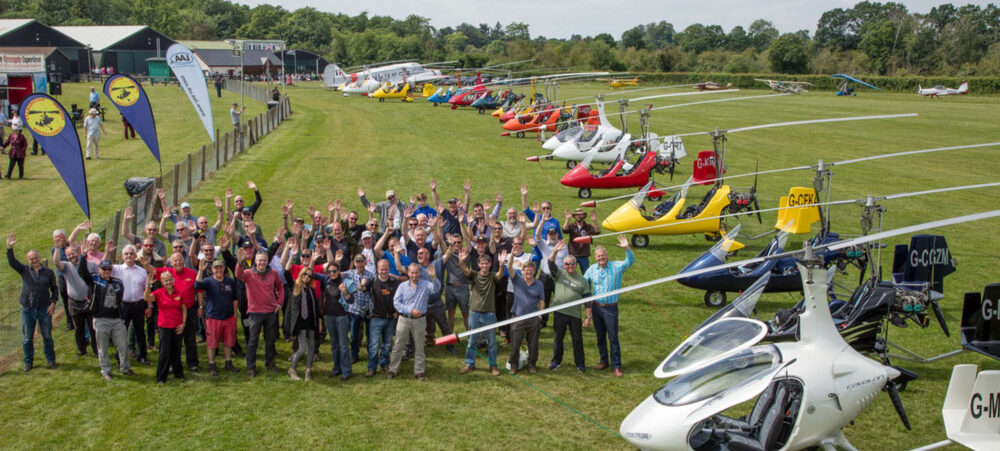
 The gyrocopter is becoming increasingly popular. Check out just why rotary-wing flight is really taking off…