Aer Lingus Dragon olar by Captain P L Ryan
News

Aer Lingus recreates historic first flight to celebrate 90 years

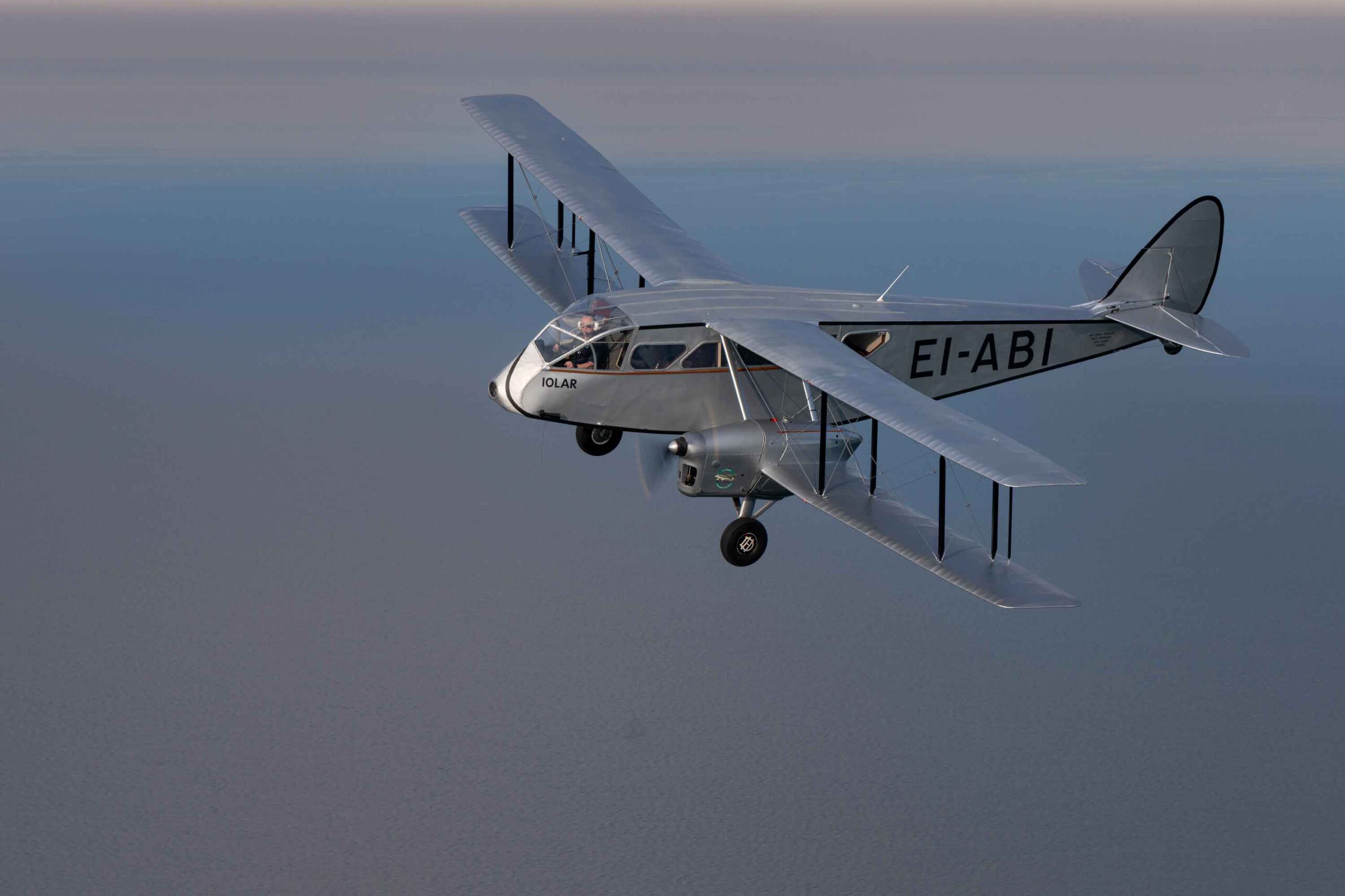
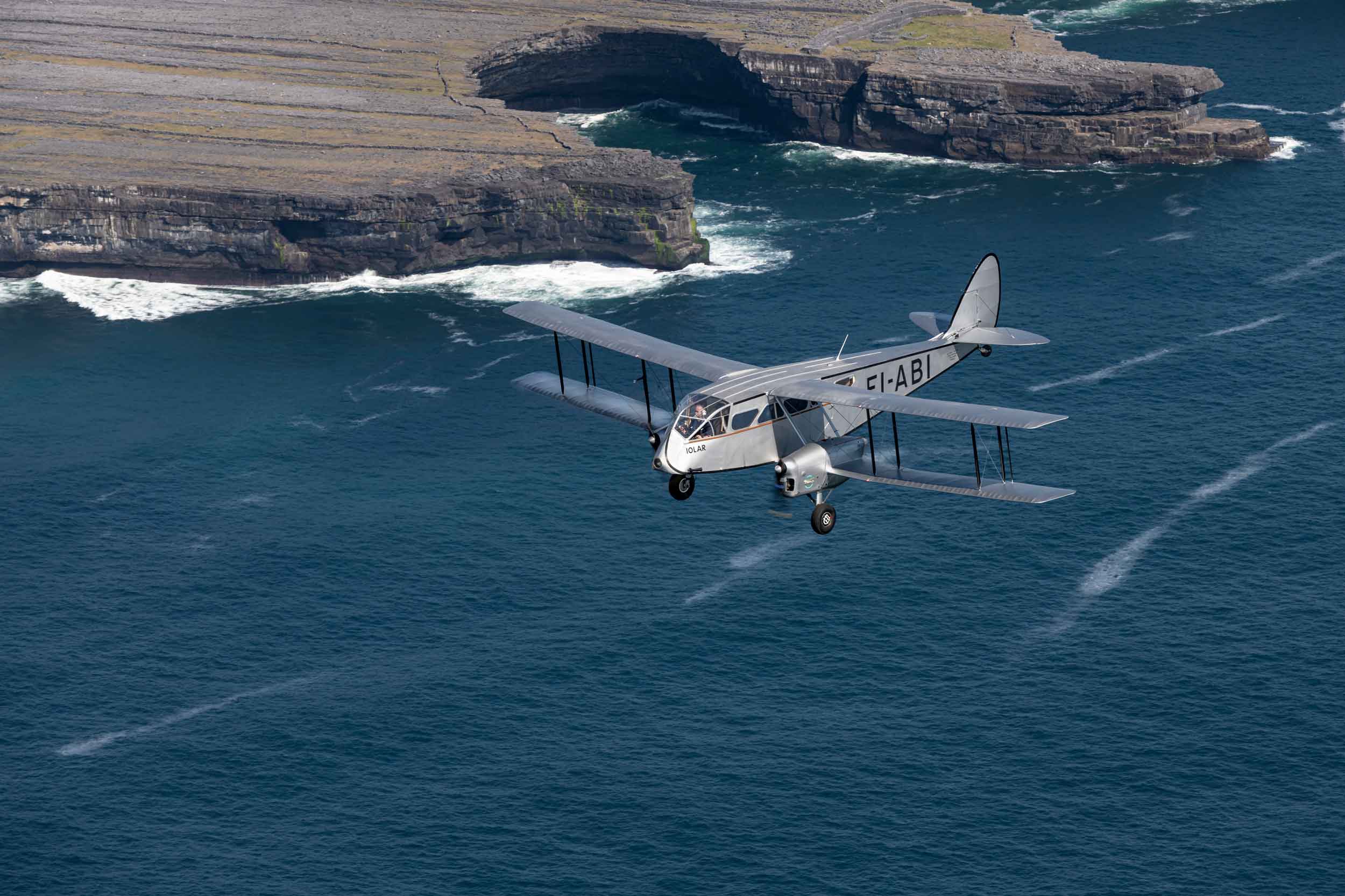
Ireland’s national airline Aer Lingus celebrated its 90th anniversary with a flight in its 90-year-old de Havilland Dragon

+VIDEO Aer Lingus has marked its 90th anniversary by returning one of the rarest aircraft in Irish aviation history to flight.

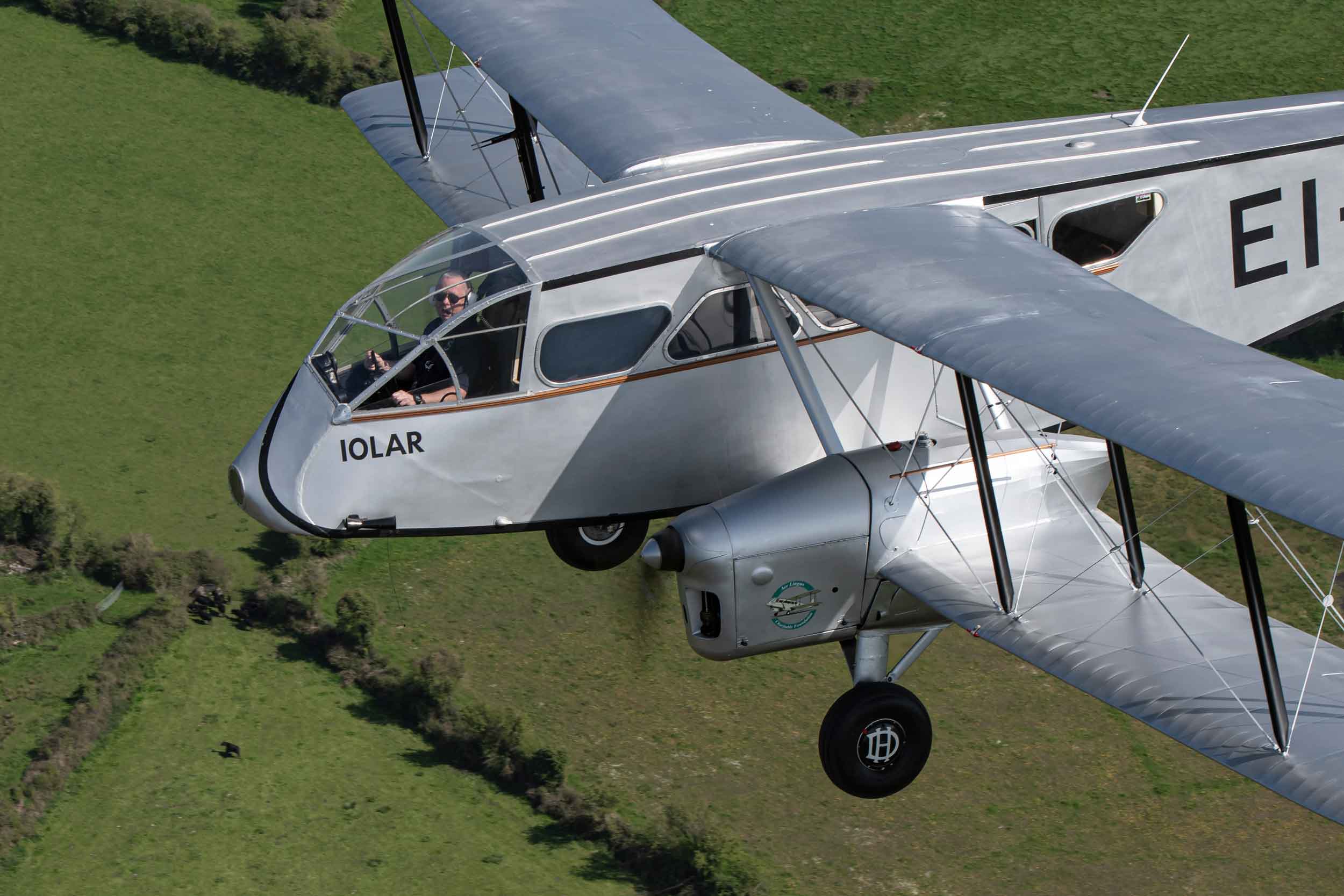
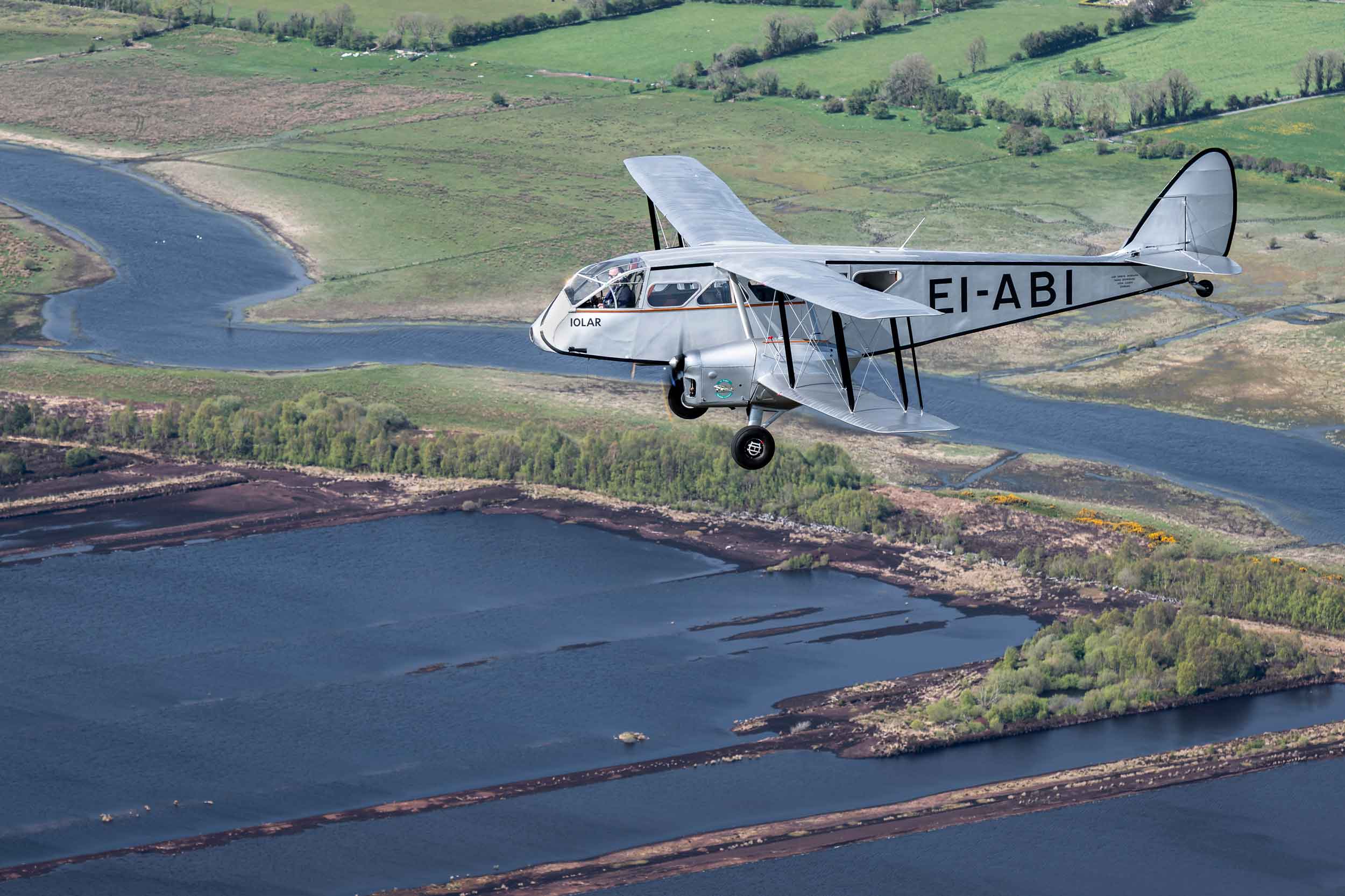
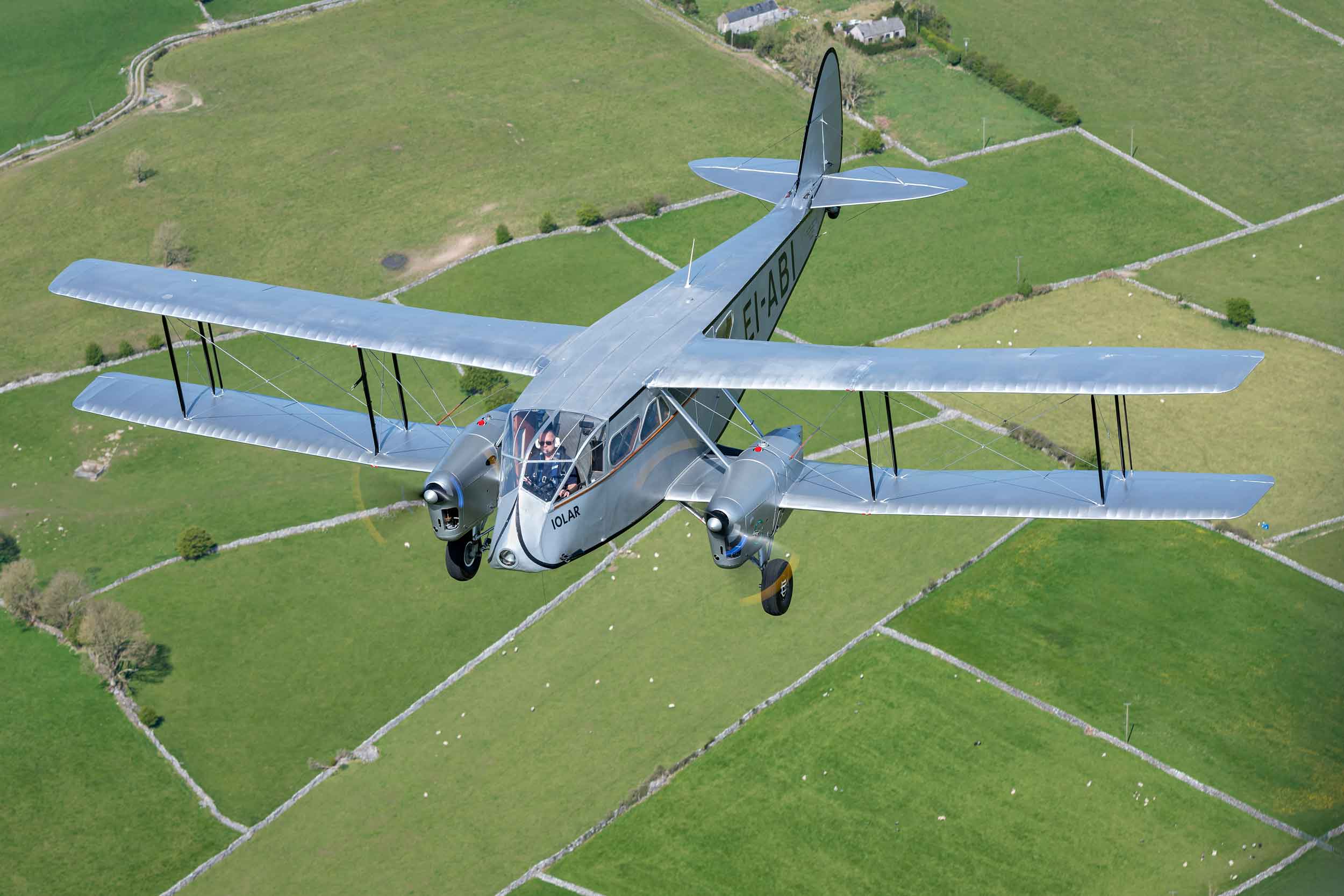
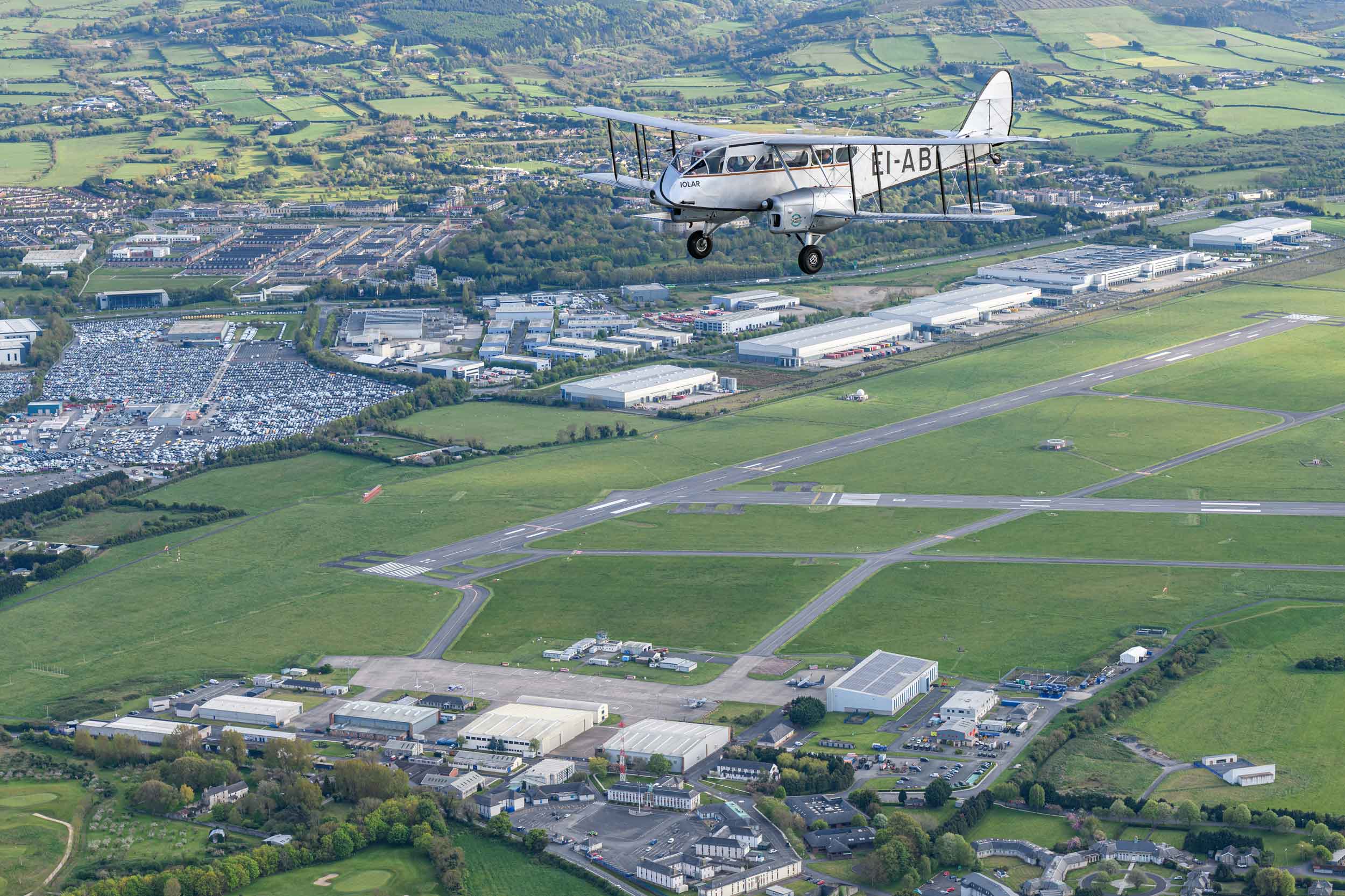
On 27 May 2026, the airline’s restored de Havilland DH.84 Dragon, EI-ABI Iolar (Irish for Eagle), flew from Dublin to Bristol, recreating the route of Aer Lingus’ inaugural service exactly 90 years after the original flight departed on 27 May 1936.

The anniversary flight marks the culmination of a four-month restoration programme that returned the 1936 aircraft to airworthy condition and provided a visible reminder of how far commercial aviation has evolved since Aer Lingus began operations with a single aircraft and a single route.

Aer Lingus Dragon 'Iolar'

A Rare Survivor

Although carrying the registration EI-ABI and the name Iolar — Irish for eagle — the aircraft flying today is not the original machine that launched Aer Lingus operations. The original aircraft served the airline for just two years before being sold and was subsequently lost during WWII.

The current aircraft is a sister ship, also built in 1936, which joined the Aer Lingus heritage fleet in the 1960s. It was restored for the airline’s 50th anniversary celebrations in 1986 and has since become one of the most recognisable artefacts from the carrier’s early years.

Few examples of the de Havilland DH.84 Dragon remain airworthy worldwide, making the return to flight of EI-ABI particularly significant.

Four Months of Restoration

The work was carried out by Midland Aviation at Abbeyshrule Aerodrome in County Longford, supported by Aer Lingus volunteers and funded through the Aer Lingus Charitable Foundation.

Restoration work included maintenance inspections, certification requirements and complete top overhauls of both engines. Engineers also undertook extensive cosmetic work to return the aircraft to its 1930s appearance while preserving historical accuracy.

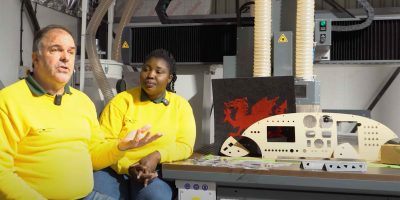
The project highlighted skills rarely seen in modern aviation maintenance, including traditional aircraft woodworking techniques. Aer Lingus says one of Ireland’s last aviation carpenters played a key role in ensuring the aircraft remained faithful to its original construction.

When Aer Lingus launched in 1936, its Dublin–Bristol service carried just five passengers. Today the airline operates a fleet of Airbus narrowbody and widebody aircraft serving more than 100 destinations across Europe, the UK and North America.

The DH.84 Dragon itself represents a very different era of airline transport. Constructed primarily from wood, fabric and plywood, the twin-engined biplane accommodated six passengers and cruised at around 110mph.

Share

Leave a Reply

Share
Topics
Enjoy 1 Free article OR Join today to enjoy unlimited access to all content
Join today

We use cookies to give you the best online experience. Please let us know if you agree to all of these cookies.