Formation flying is hard but fun. Wingsuit flying is crazy. Mix the two together and add in Mont Blanc… well, would anyone believe it possiblewin? Ah, yes, Red Bull. Of course.
29 June 2026
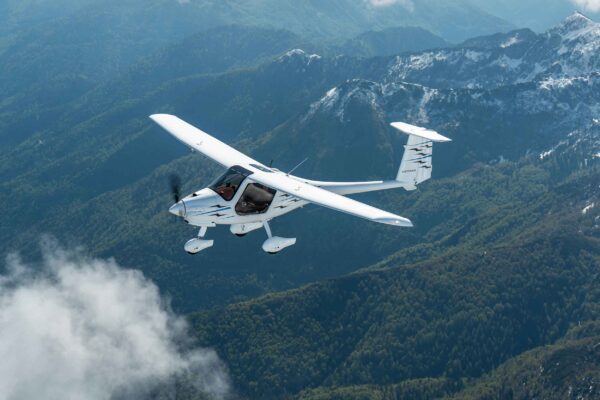
+VIDEO Mont Blanc is Europe’s highest peak, rising to a height of 15,777ft. It dominates the Alps in a way that makes you understand why mountaineers and adventurers are drawn to it. Flying around it in a light aircraft is thrilling enough. For wingsuit pilots too, you’d think, but no, they’ve gone a step further.
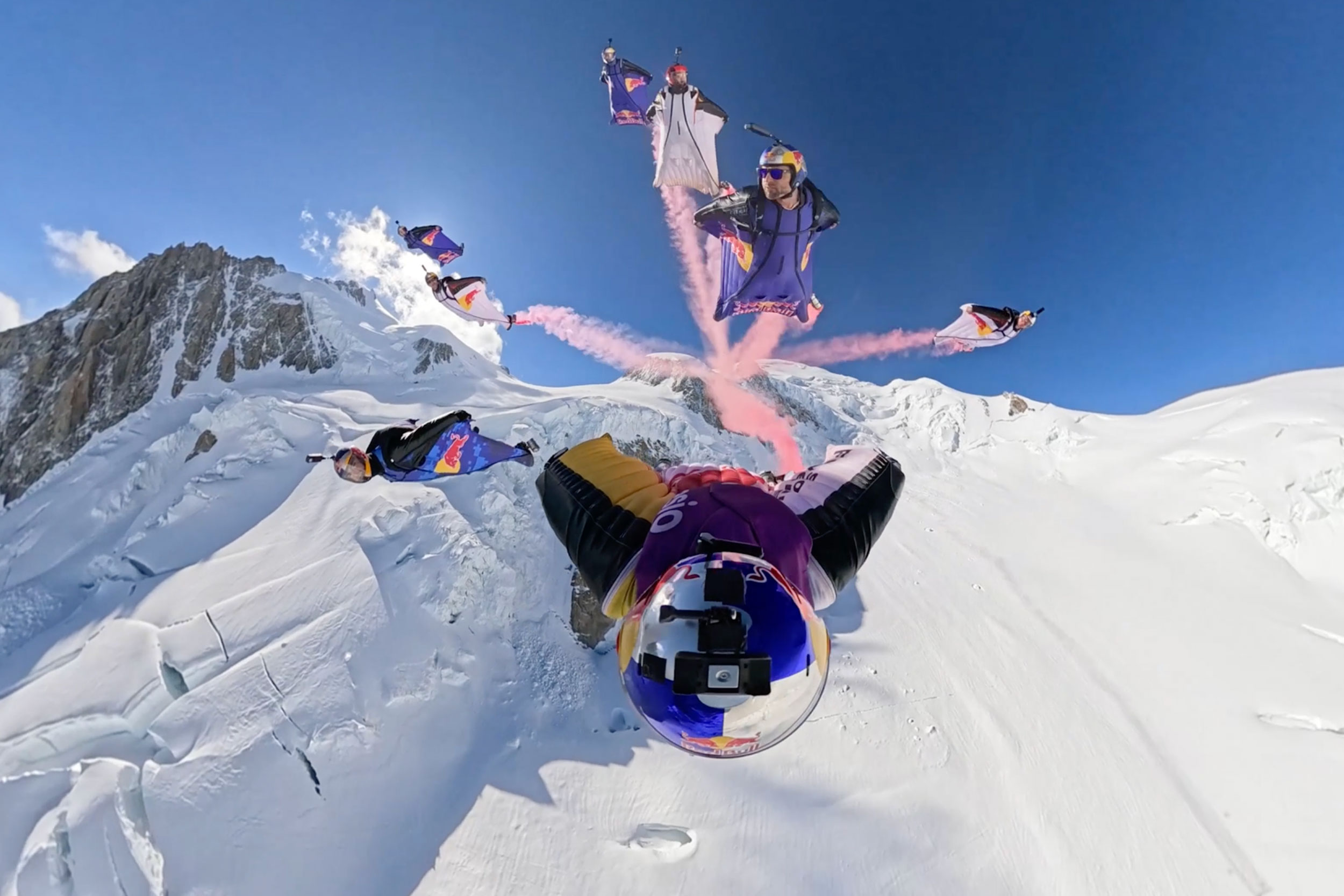
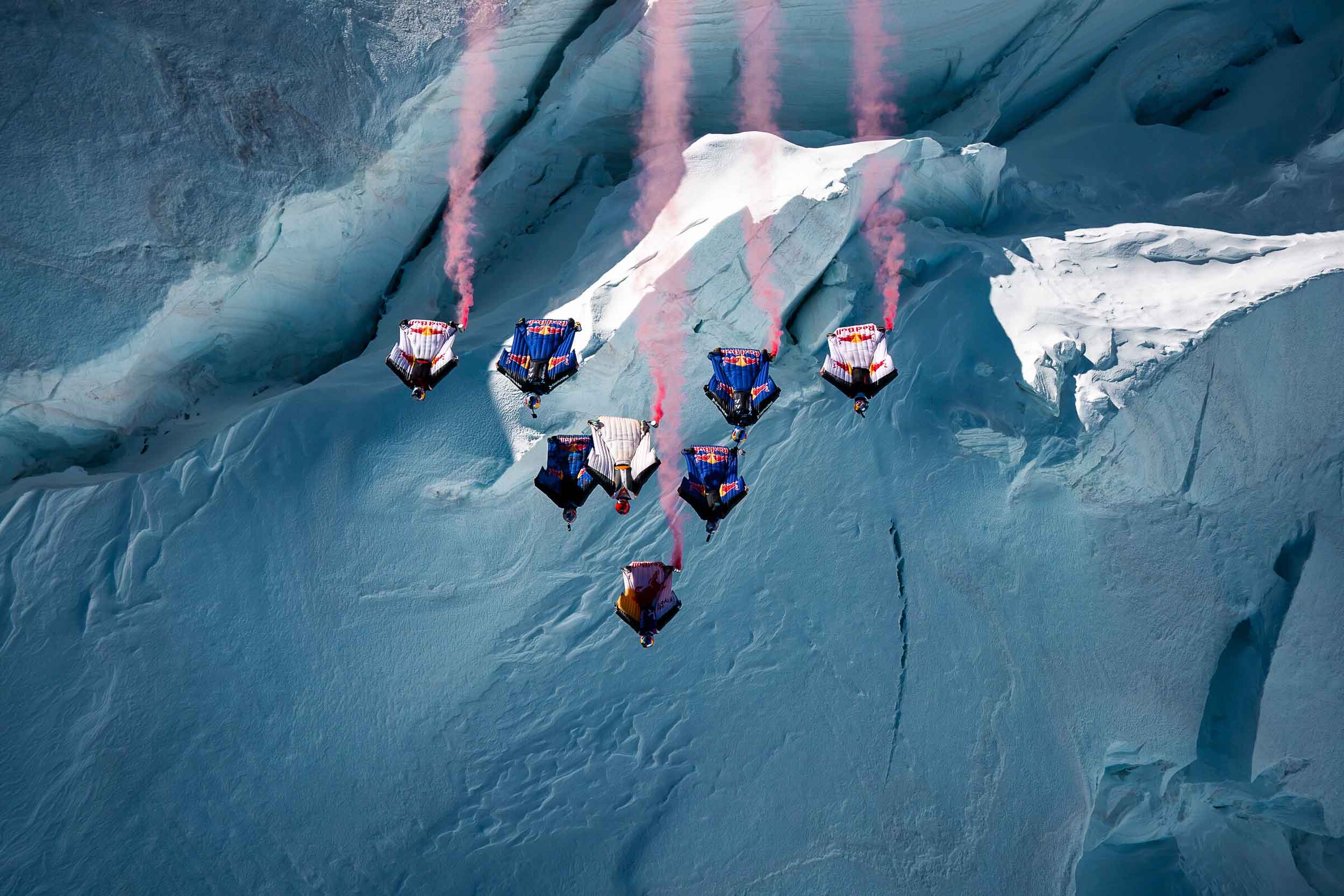
An elite international team of eight wingsuit athletes has completed the longest terrain formation flight ever flown over Mont Blanc, launching from above the summit and carving their way down into the Chamonix Valley in a continuous, high-speed aerial line.
If you think formation flying in an aeroplane demands precision, imagine doing it at more than 100 knots just feet apart, in a nylon suit with the mountain rushing past.
The project was led by French wingsuit legend Fred Fugen and Spain’s Dani Román, both among the best-known names in the sport, and supported by Red Bull. Fugen is no stranger to Mont Blanc. He previously flew the longest solo terrain wingsuit line there, but this latest challenge was something else entirely: turning that established route into a fully coordinated team flight.
“The goal was to reunite a group of expert wingsuit pilots and fly together above Mont Blanc,” said Fugen. “It’s been a dream to get this kind of team together.”
It also took time. Two years, in fact. That’s not two years of casually chatting over coffee and picking a weather window. It meant detailed planning, testing, route analysis, formation spacing, break points, parachute deployment margins and, crucially, selecting the right pilots.
Unlike aerobatic formation flying, where metal, engines and radios can give you options, wingsuit flying over mountainous terrain is brutally unforgiving. Once you jump, you’re committed.
“There is almost no place to land until we reach the valley,” Fugen explained.
The route itself started from a helicopter drop above Mont Blanc, at an altitude of around 18,000ft before descending through 3,800 metres of terrain flight to the landing area below. In total, the group covered 7.5km horizontally in around three and a half minutes, travelling at speeds between 180 and 200km/h.
The eight-athlete line remained connected throughout, even splitting into two groups of four before rejoining mid-flight. It’s the sort of manoeuvre that sounds ambitious on paper and borderline impossible when you realise everyone is descending through alpine terrain at autobahn-plus speeds.
For pilots, there’s an obvious parallel here with military low-level flying. Terrain awareness, energy management and split-second judgement are everything. But wingsuit pilots have no throttle, no go-around and no spare power in hand. Their only currency is altitude.
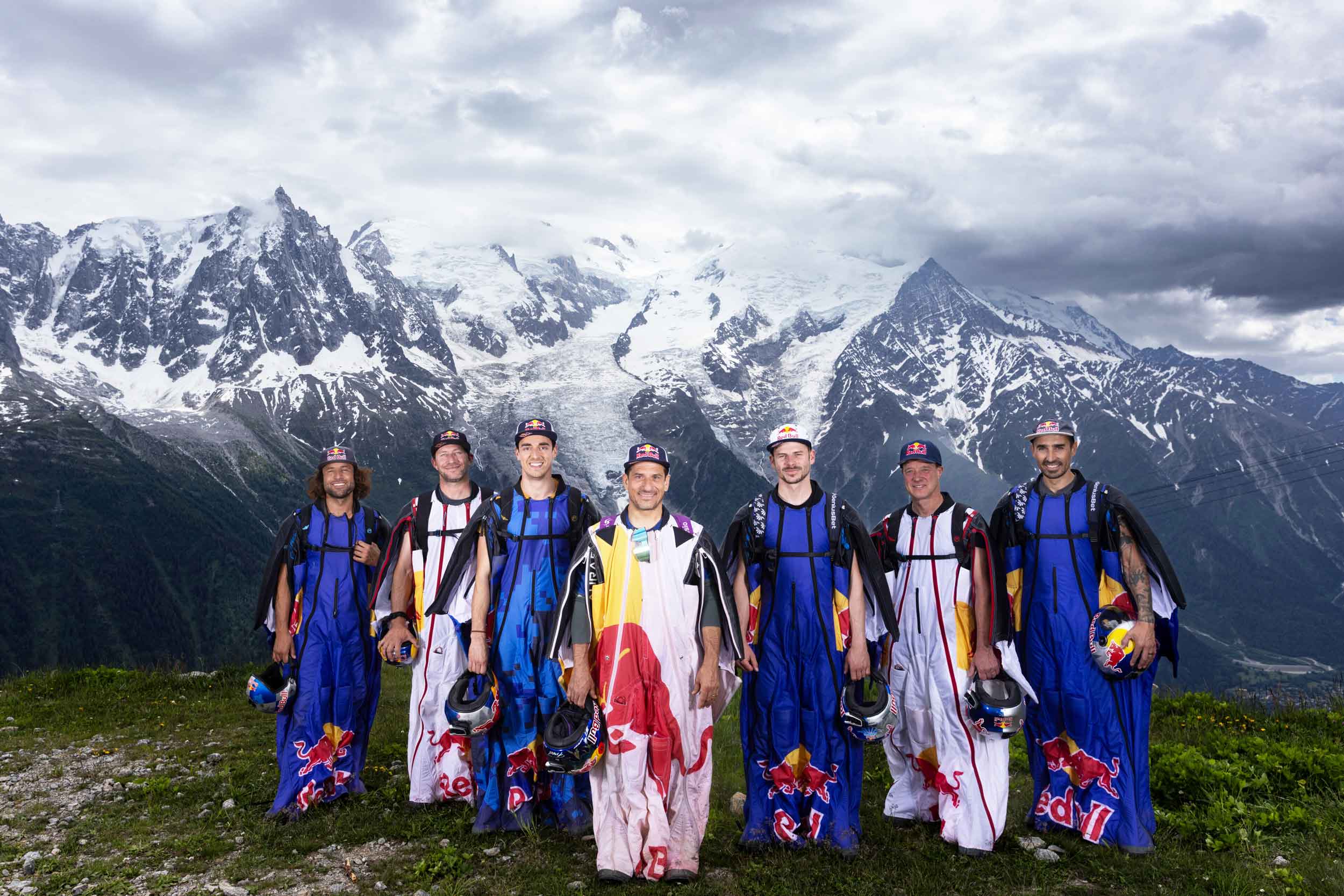
The team itself reads like a who’s who of the sport: Fred Fugen, Dani Román, Marco Fürst, Marco Waltenspiel, Aurélien Chatard, Sebastian Álvarez, Mike Swanson and Andy Farrington, representing France, Spain, Austria, Chile and the USA.
Capturing it all were two specialist camera flyers who flew alongside the formation, not from outside looking in but embedded within it. That perspective, says the team, is what makes this different. It allows viewers to experience the closeness, speed and precision from the inside.
Dani Román summed it up simply: “It was beautiful, wild and very intense. Best jumps of my life.”