Theory training – the essential book work, or computer-based study – can be cheap; or surprisingly expensive. It all depends on the way you choose to learn.
Ground exams
To obtain your PPL, you’ll need to pass nine exams known as the Theoretical Knowledge. The nine subjects are: Air Law, Aircraft General Knowledge, Communications, Flight Performance and Planning, Human Performance and Limitations, Meteorology, Navigation, Operational Procedures, and Principles of Flight. You’ll need to pass each exam with at least a 75% score.
These are official CAA exams; however, this doesn’t mean each flight school charges the same.
In some flight schools these exams are part of their PPL-package, while others charge them separately, with prices usually ranging between £45 at Ulster Flying Club and £60 at Stapleford Flight Centre London per exam. When the ground exams are part of the PPL-package, this means only the first attempt at each exam is included.
First attempts vs resits
Budgeting for nine times the price of the exam is great. If you pass at the first attempt, that is. If not, you’ll have to resit the exam. The price of the resit is generally the same as the first attempt. This means that if you fail, you’ll pay twice.
Beware: you only get four attempts per subject. If you fail a subject three times, you’ll have to take the fourth attempt directly with the CAA, which includes an exam fee of £44. If you fail this fourth time, you can start the entire theory process (including any previous subjects you’ve already done) all over again.
Study materials
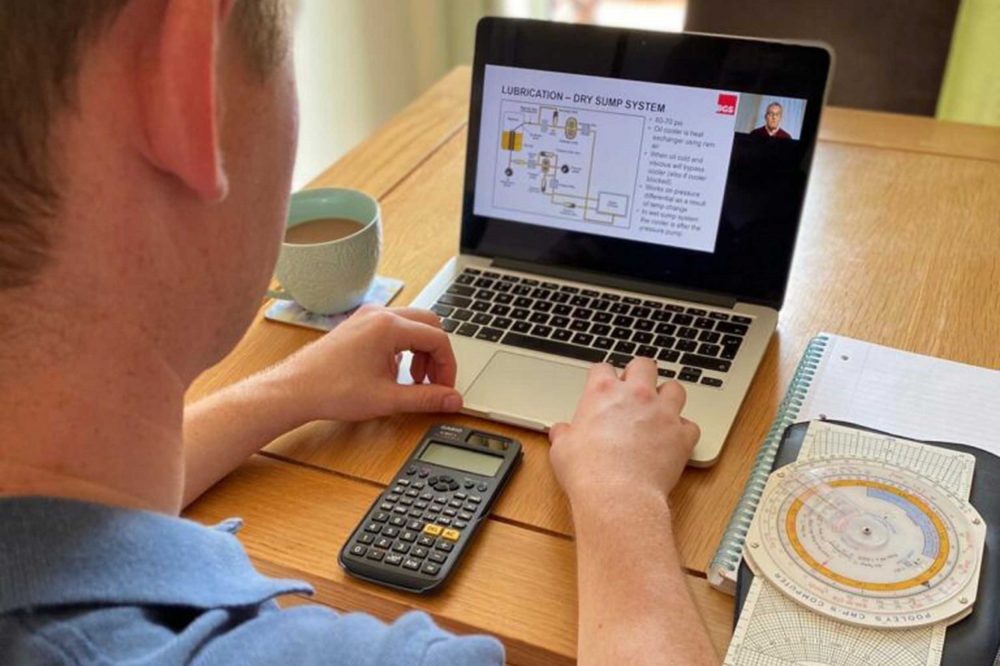
There are various ways to learn what’s needed, ranging from self-study textbooks to online training.
How much does it cost? That completely depends on the way you choose to study. Self-studying at home is the cheapest option, especially if you learn from textbooks you’ve managed to buy second hand or borrow from your flight school.
There’s also a lot of material available online to help you preparing for the exams, ranging from e-books to training software with question banks and mock exams. Some self-directed study courses charge a one-time fee, others work with monthly online subscriptions. Costs of getting exam-ready by yourself range from absolutely zero (if you can borrow all the material you need) to more than £750 for fancy distance learning packages.
Groundschool
Many flight schools offer in-person groundschool tuition where you study in a classroom-like environment with an instructor. This is either included in the PPL-package or charged separately.
Prices of groundschool vary. Some schools charge per hour for one-on-one tuition or classes with small groups. For example: Perranporth Flying Club at £30, Old Buck Aeroclub at £42, ANT at £50, and Anglian Flight Centres at £60 per hour.
Multi-day courses
After passing your first exam, you have 18 months to also pass all the others. You can do them one by one, spread out over the course of your PPL, but you can also cram all the exams in just a few days.
Some flight schools offer intensive multi-day courses where they teach you all the subjects in a classroom setting, with exams taken directly after the tuition. ACS Flight Training has a five-day condensed course including all exams and course notes for £795. Linda Wheeler Groundschool is also five days and costs £2000 + VAT, or, if you want private tuition, £800 per day.
Flight equipment
What supplies do you need during your PPL training? A logbook, headset, timepiece, iPad, knee pad, sunglasses, flight bag, high vis jacket, protractor, nautical mile scale map ruler, flight computer (the ‘whizz wheel’), an up-to-date chart, some apps and pilot log pads. That’s about the basics for a private pilot.
How much does this equipment cost? That depends. You can buy a decent headset for £150, but you can also splurge and spend £1000 on a superb one. Same goes for the rest of the gear.
There are special pilot starter packs including all or most of the above-mentioned things. Sometimes, club membership will include a logbook, and if you book ground school, this usually includes all the materials you’ll need for navigation. To save money on equipment, buy only the supplies that are necessary for your flight training and/or buy second hand. Some flight schools will let you borrow (part of) their equipment for the duration of your training.
Whether you’ve chosen to study all by yourself on a shoestring or splurge on an intensive private theory course and a fancy headset, fact is that after passing the ground exams you’re well on the way to obtaining your PPL. Now comes the paperwork and official hurdles… and yes, these also cost money. How much?