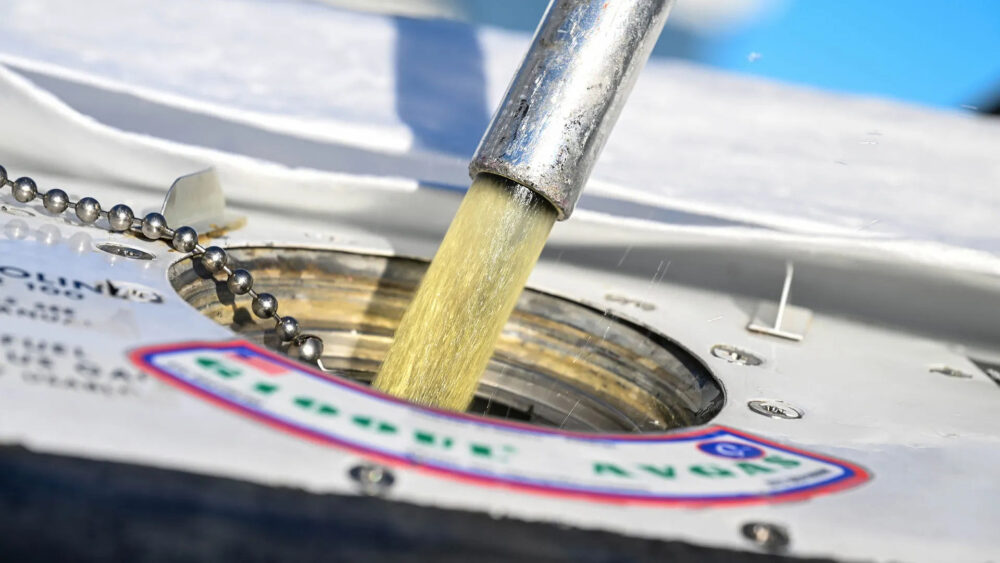
Blue 100 octane low lead (100LL) avgas will disappear across most of the USA by the end of 2030, according to a draft plan laid out by the US aviation regulator, the FAA.
The last outpost for leaded avgas across the USA will be Alaska, which will have an extra two years.
The draft plan, Transition Plan to Unleaded Aviation Gasoline, was released by the FAA this week for public comment. The FAA says, optimistically, that the transition must occur without compromising safety, efficiency or fleet viability.
However, there is no simple single avgas solution contained in the plan. Instead, the FAA says it will test three unleaded contenders:
- GAMI G100UL, already approved via STCs and quietly in use at a small number of airports
- Swift 100R, rolling out in stages and already backed by an ASTM fuel specification
- LyondellBasell/VP Racing UL100E, still undergoing full-scale FAA testing, with approval targeted around 2027. Recently, UL100E also received ASTM backing.
The FAA will test key areas such as detonation, compatibility with fuel systems (seals etc) and what’s loosely titled ‘fit for purpose’. But the FAA will not choose a winner. The regulator will report its findings and then airports will sell what they can get, what aircraft can use, and what makes commercial sense.
A particularly important issue is fuel mixing. If two unleaded fuels can’t safely coexist in the same tank or bowser, chaos follows. The FAA says it is testing accordingly.
In Europe, production of leaded 100LL avgas has been recently extended until 2032 although some airports – Amsterdam Schipol, Antwerp and Liege – have already discontinued supplying the fuel.
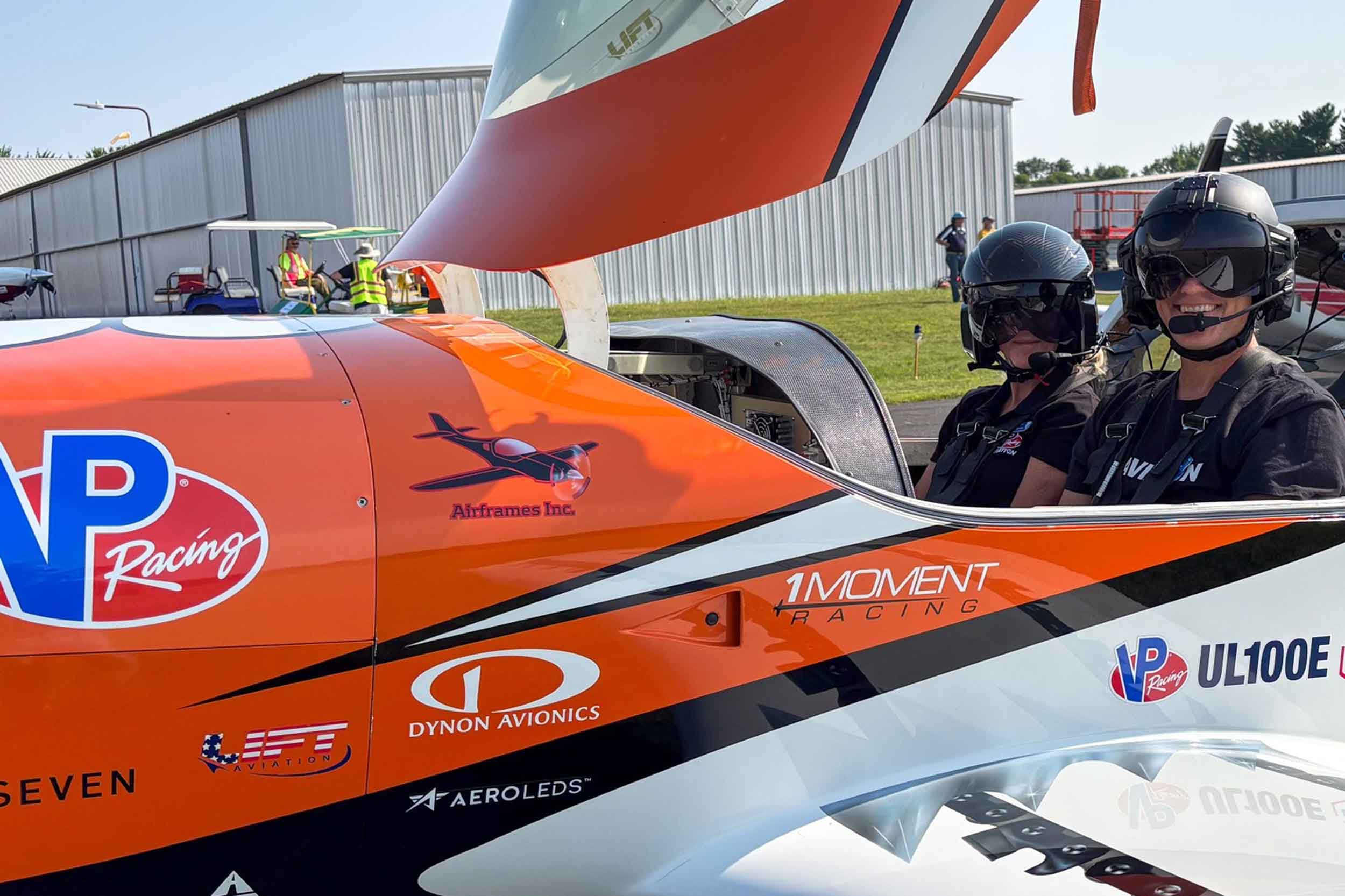
VP Racing has just received ASTM backing for its 100E fuel
Summary of the FAA’s Draft Transition Plan
Phase 1: Fuel Authorization & Comparison (Now to 2027)
- Complete FAA approvals (STC and Fleet Authorization).
- Conduct comparative testing against 100LL:
- Detonation margins
- Materials compatibility
- Toxicology and emissions
- Fuel intermixability (critical to avoid misfuelling and regional fragmentation).
Phase 2: Gaining Market Experience (2027–2028)
- Expanded real-world use by early adopters
- Identify and resolve in-service issues (materials, seals, paint, valve wear, etc.)
- Build experience in production, storage, transport and pricing
- FAA encourages formal reporting of operational issues.
Phase 3: National Transition (Lower 48)
- Coordinated nationwide switch from 100LL to unleaded fuel
- Most airports cannot store multiple AvGas types, so changeovers must be clear and decisive
- Aircraft owners must complete required alterations (placards, manuals, possible hardware changes)
- Goal: no 100LL sold outside Alaska by December 2030.
Phase 4: Alaska Transition (Extended to 2032)
- Extra time due to:
- Remote logistics
- Seasonal fuel delivery
- Critical reliance on piston aircraft
- Unique challenge: temporary blending of 100LL and unleaded fuel, requiring strict controls.
Download the FAA Draft Transition Plan here.
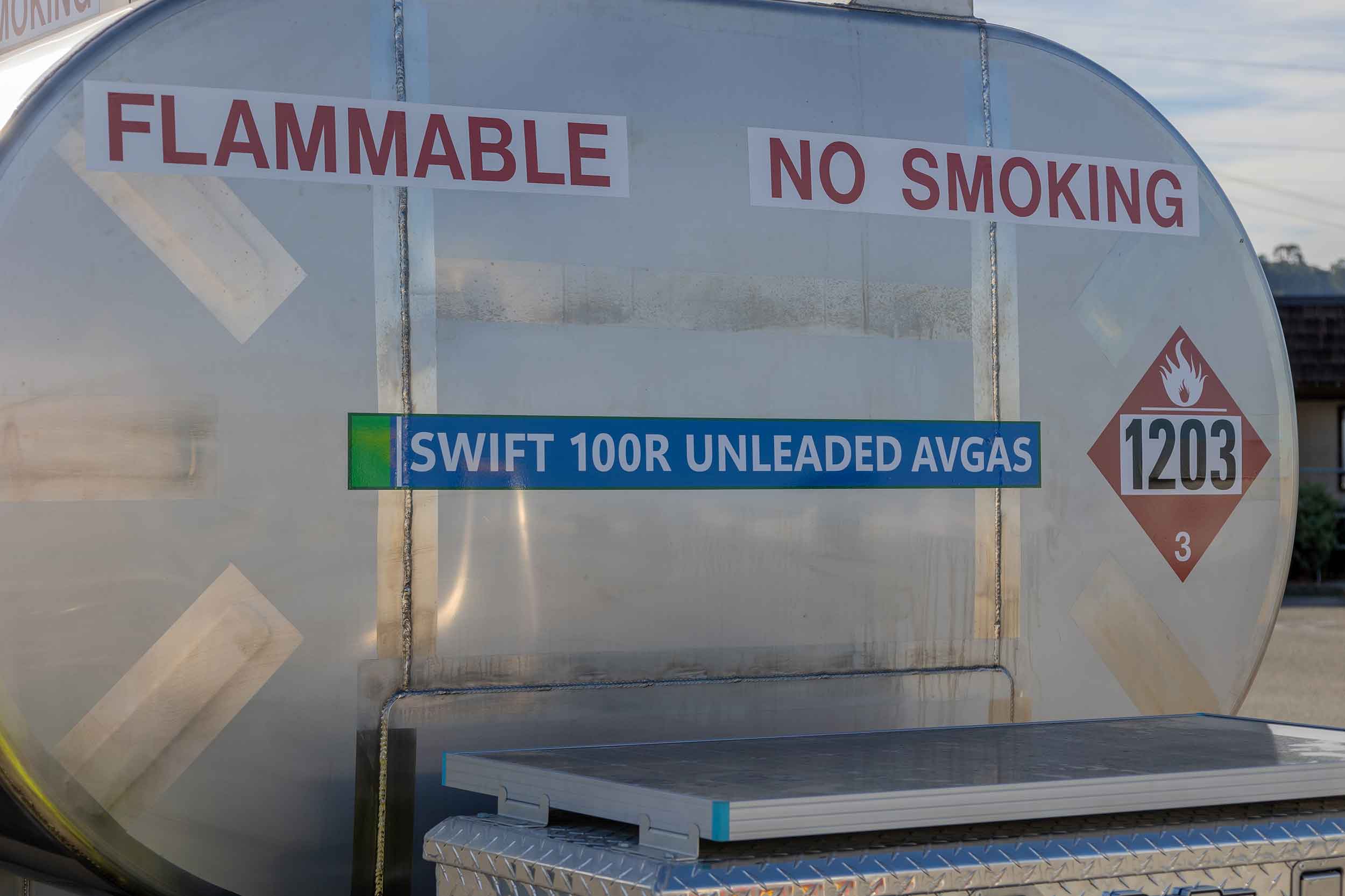
Swift – a viable unleaded alternative for 100LL avgas?