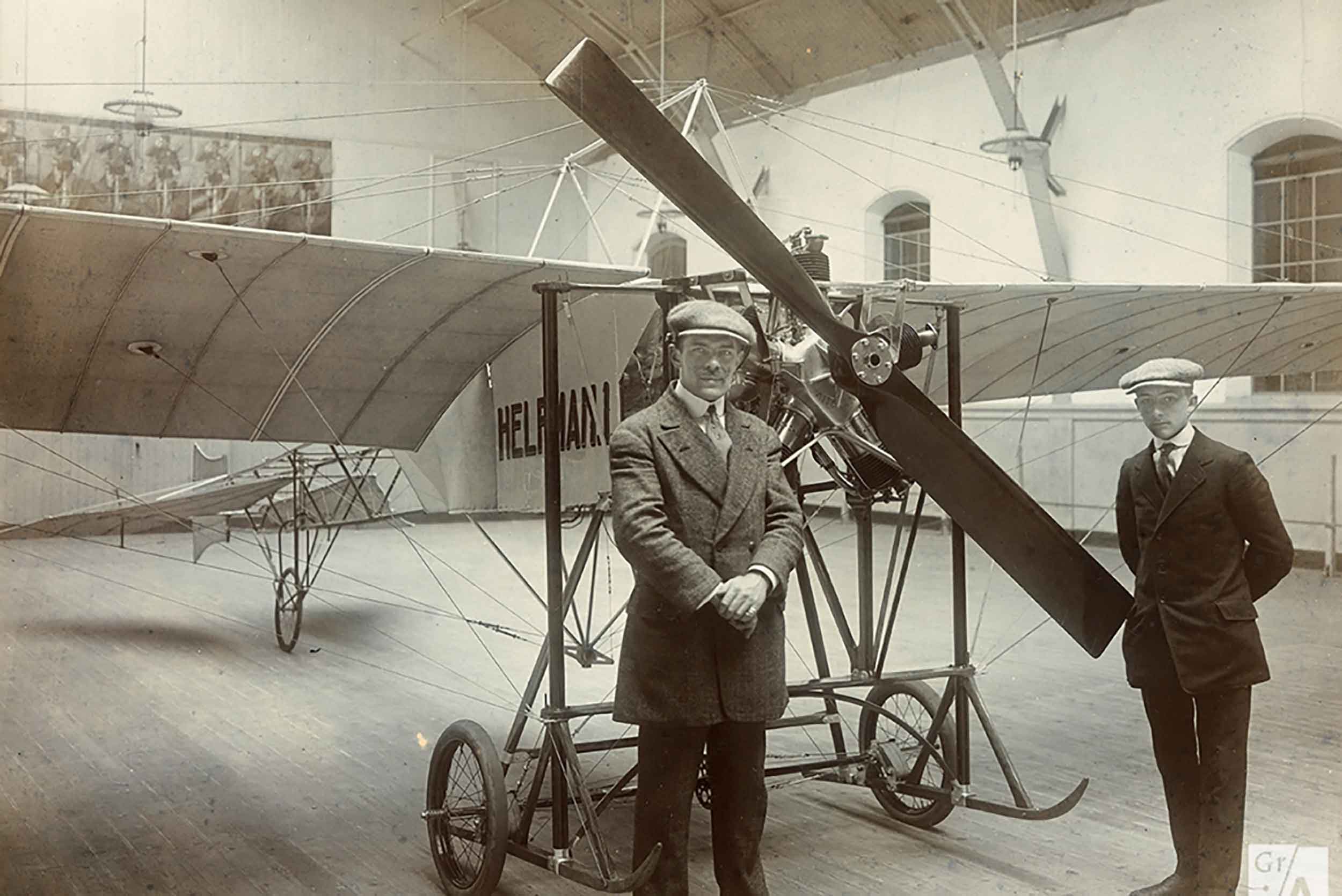
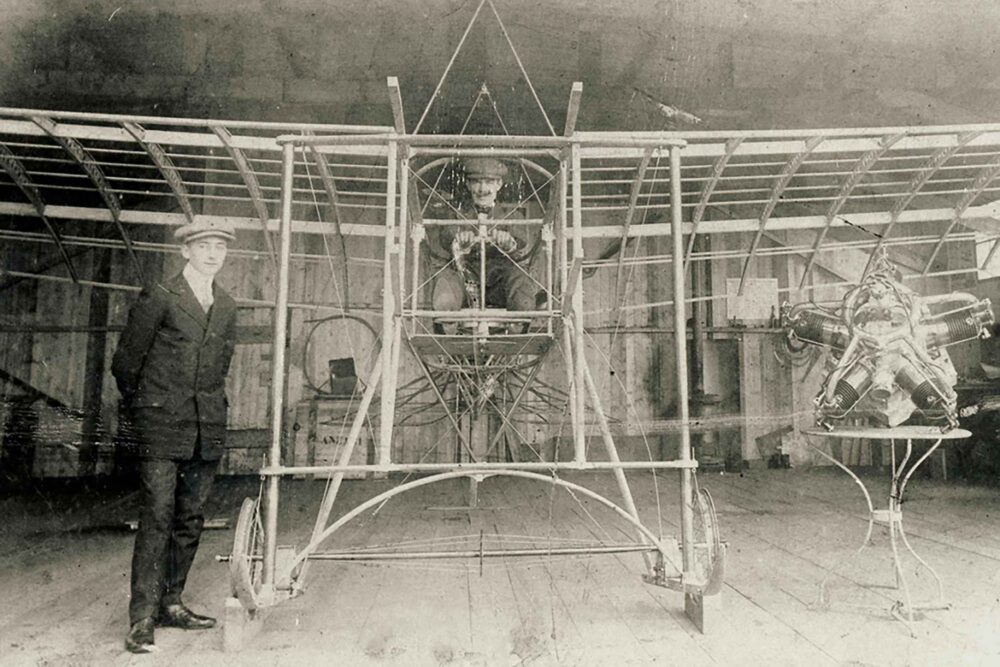
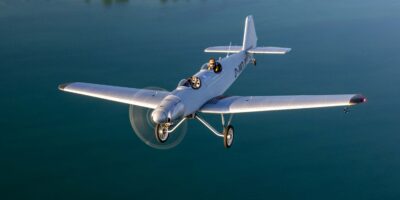
Emile de Schepper and Hubert Hagens built one of Holland’s earliest aeroplanes — the Helpman 1 — in 1911. It didn’t survive but now a group of enthusiasts is attempting to build a replica
6 March 2026
In the early days of powered flight, aviation enthusiasts across Europe raced to design and build machines that could conquer the skies.
Among these pioneers were two determined innovators from the northern Netherlands: Emile de Schepper and Hubert Hagens, who together built one of the nation’s earliest airplanes — the Helpman 1 — in 1911.
The story began in Helpman, then a village near Groningen, where De Schepper’s father ran a successful billiard-table factory.
After witnessing an air show in 1910 — including flights by celebrated aviator Jan Olieslagers — young De Schepper became fixated on flight. His father, intrigued by his son’s zeal, allowed him to use the factory’s skilled craftsmen and tools to build an aircraft.
De Schepper partnered with Hubert Hagens, an experienced mechanic who had worked with Olieslagers and with motor maker Anzani. Together they designed a monoplane that bore a strong family resemblance to the famous Blériot XI, one of the era’s most successful pioneer aircraft.
A custom five-cylinder Anzani engine — also built under Hagens’s direction — powered the aircraft, with wooden wings covered in fabric and a simple, lightweight frame throughout.
By May 1911, the aircraft — christened Helpman.1. — was completed and displayed at the Fongers bicycle factory in Groningen, drawing public interest and demonstrating the ambition of its builders.

Flight Trials and Crash
The Helpman 1 was transported to the makeshift airfield near Ubbena, close to Zeijen (Drenthe), where northern Dutch aviation enthusiasts had gathered to conduct flying experiments. In early summer 1911, De Schepper and Hagens succeeded in making the aircraft airborne, albeit briefly, with at least one successful flight from the grassy field.
Later that year, experienced aviator Adriaan Mulder — one of the first Dutch pilots to be officially licensed — took the Helpman 1 to the Duindigt horse racing track at Wassenaar for a public demonstration flight.
The aircraft performed well initially, but suffered a catastrophic engine failure and crashed hard, ending in the destruction of the aircraft. Mulder survived after a significant hospital stay, but the original Helpman 1 was beyond repair.
With limited financial backing and no broader industrial support, the builders abandoned plans for production or further development. According to contemporary reports, prominent local industrialist W.A. Scholten dismissed commercial aircraft production in the region as impractical for the time.
Bringing History Back to Life
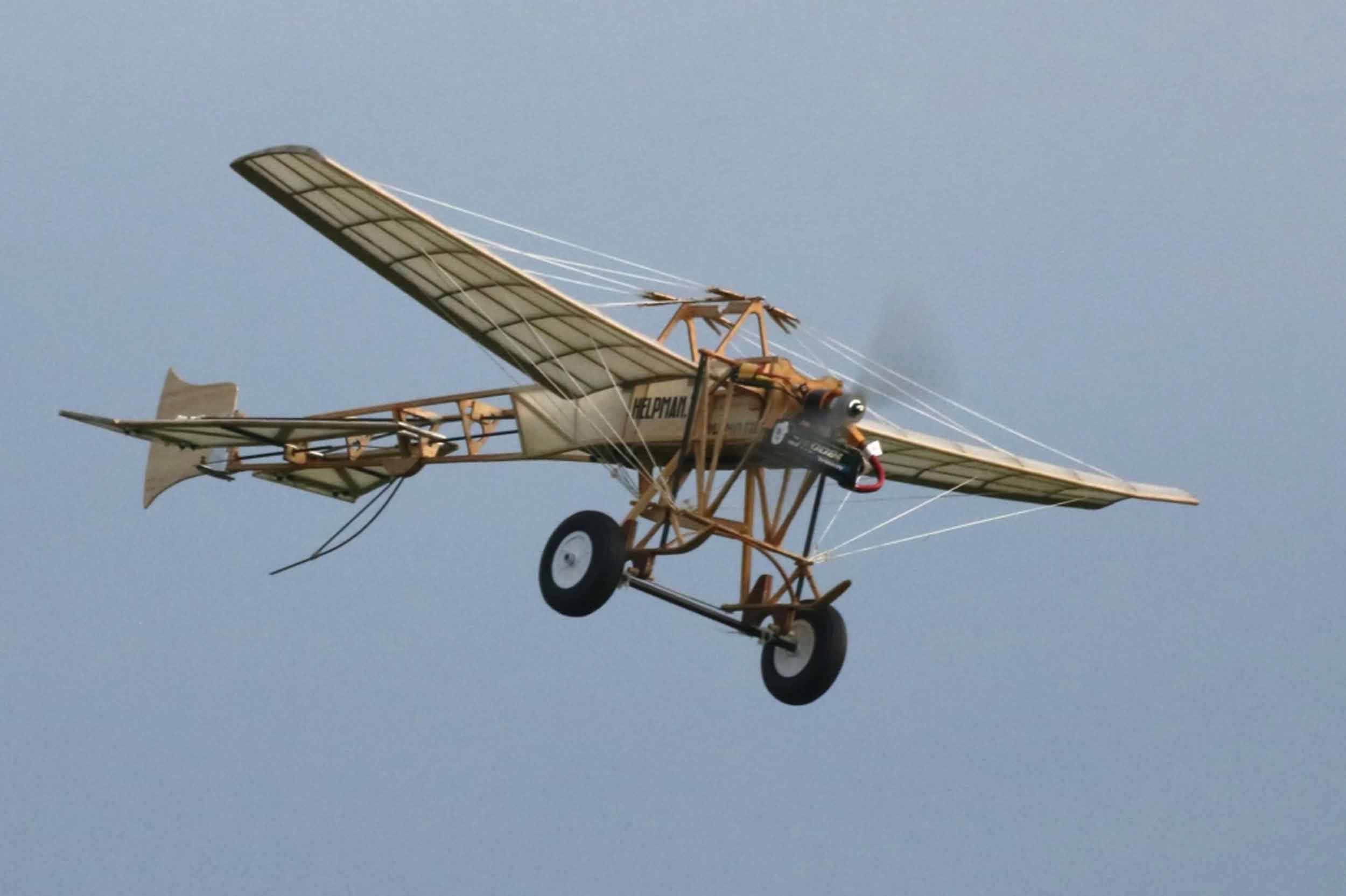
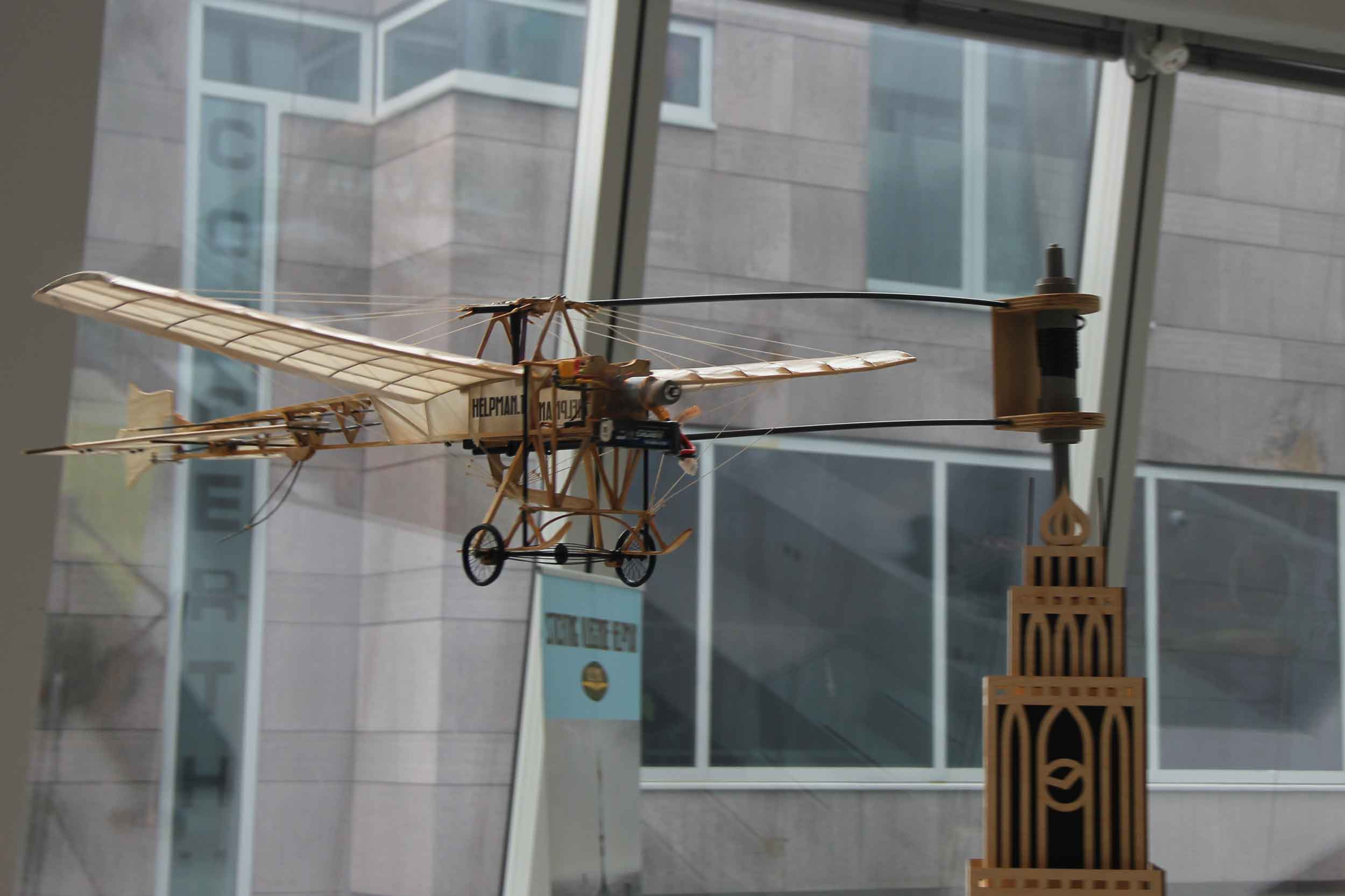
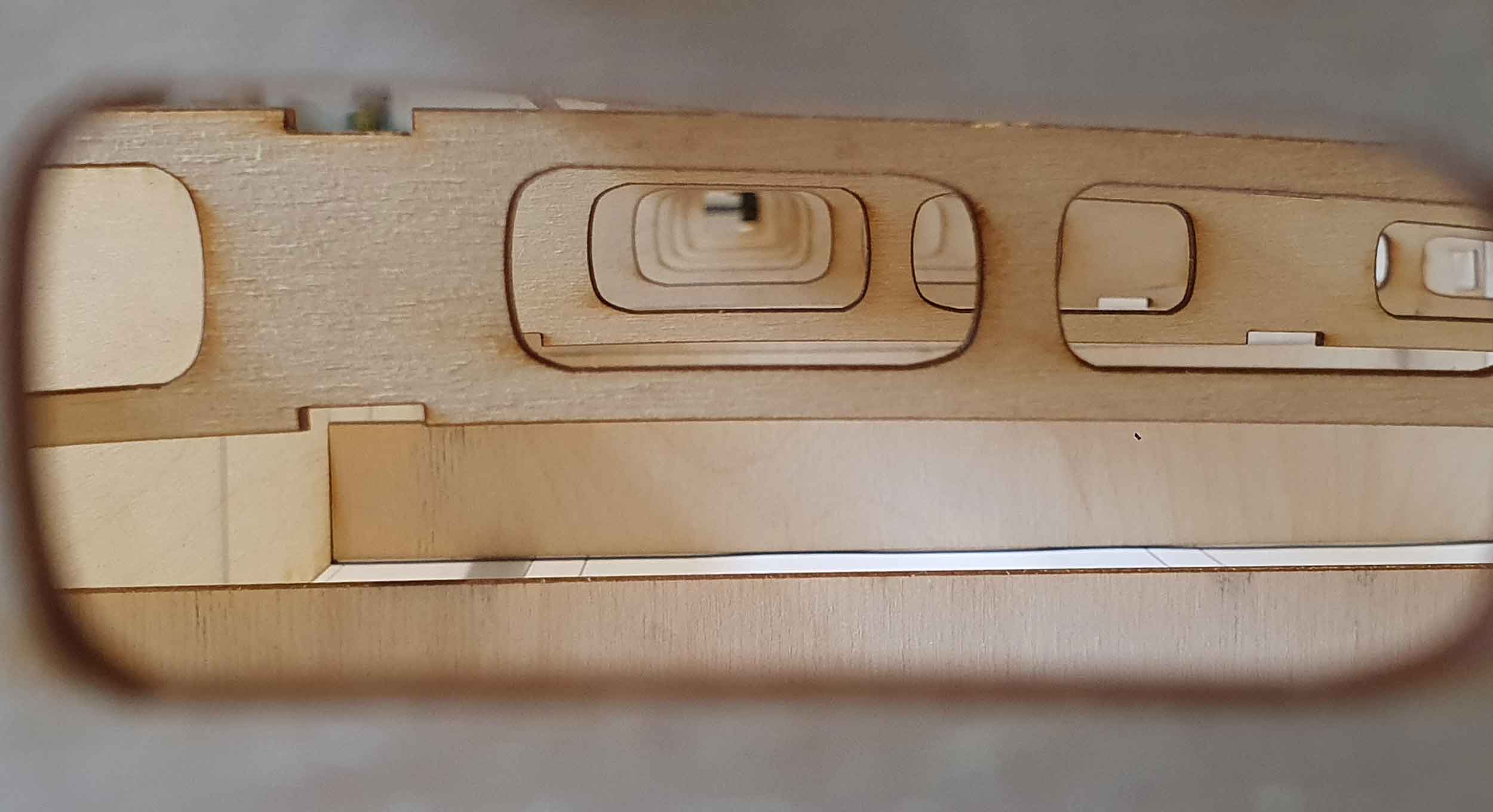
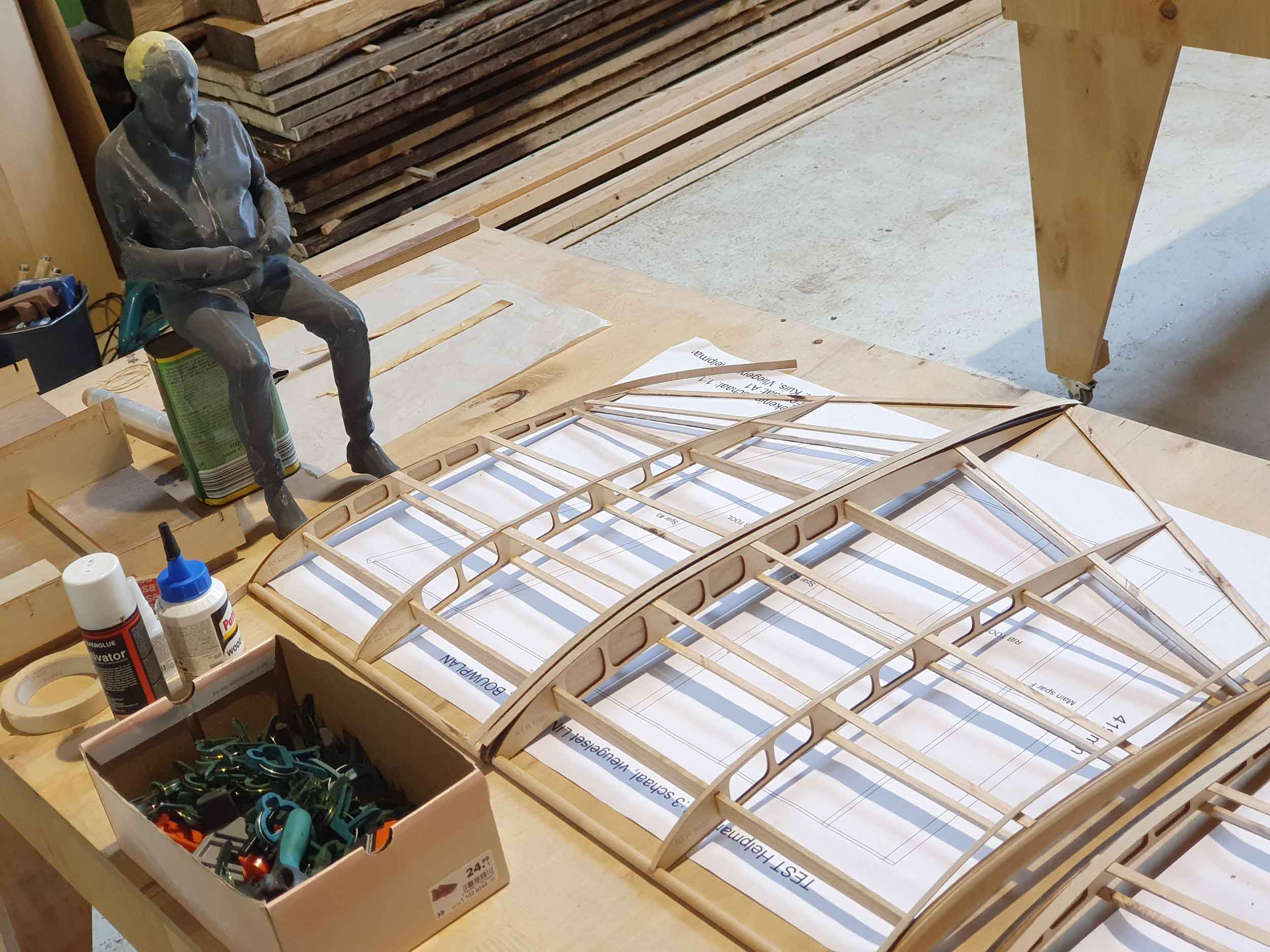
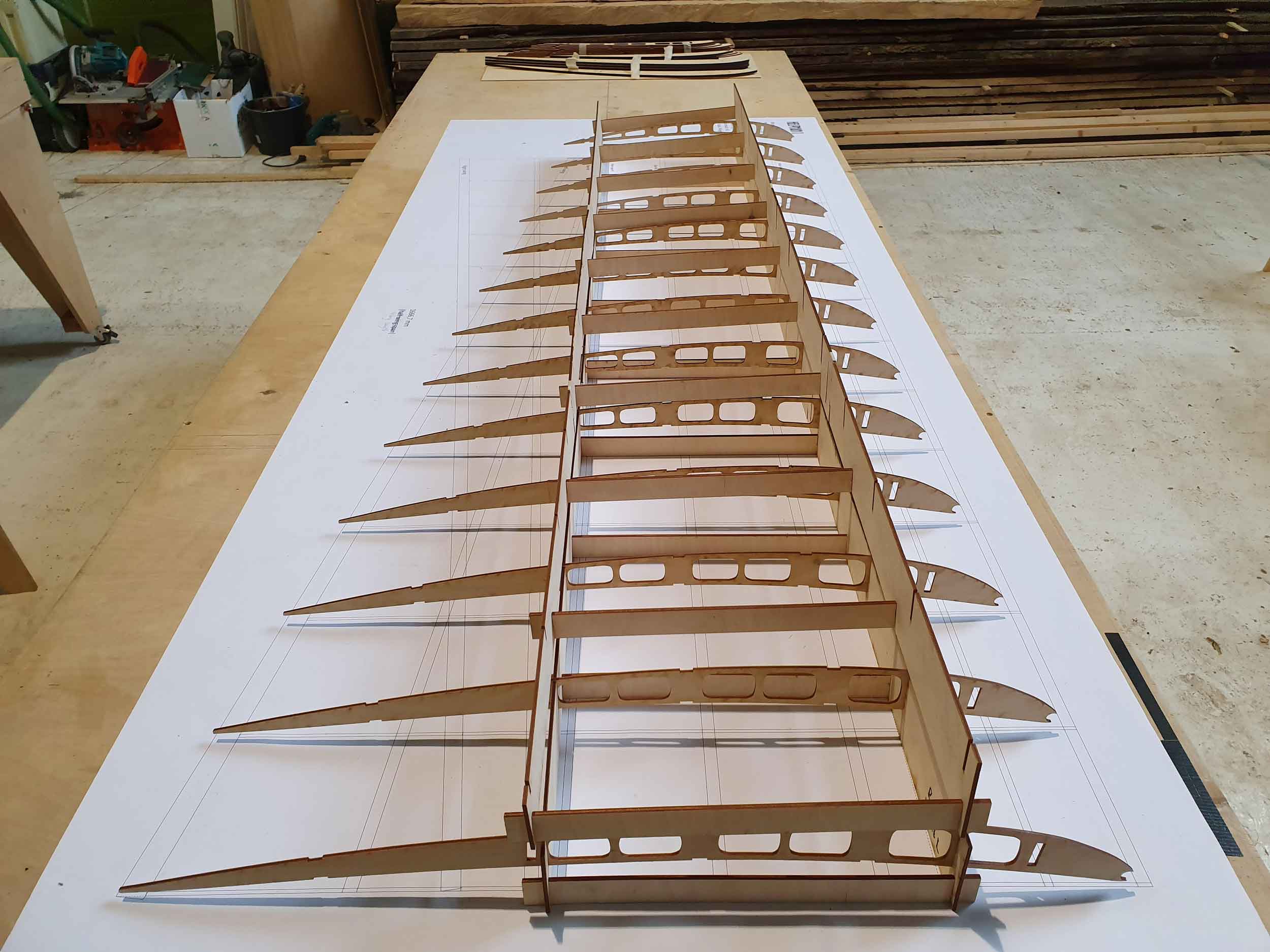
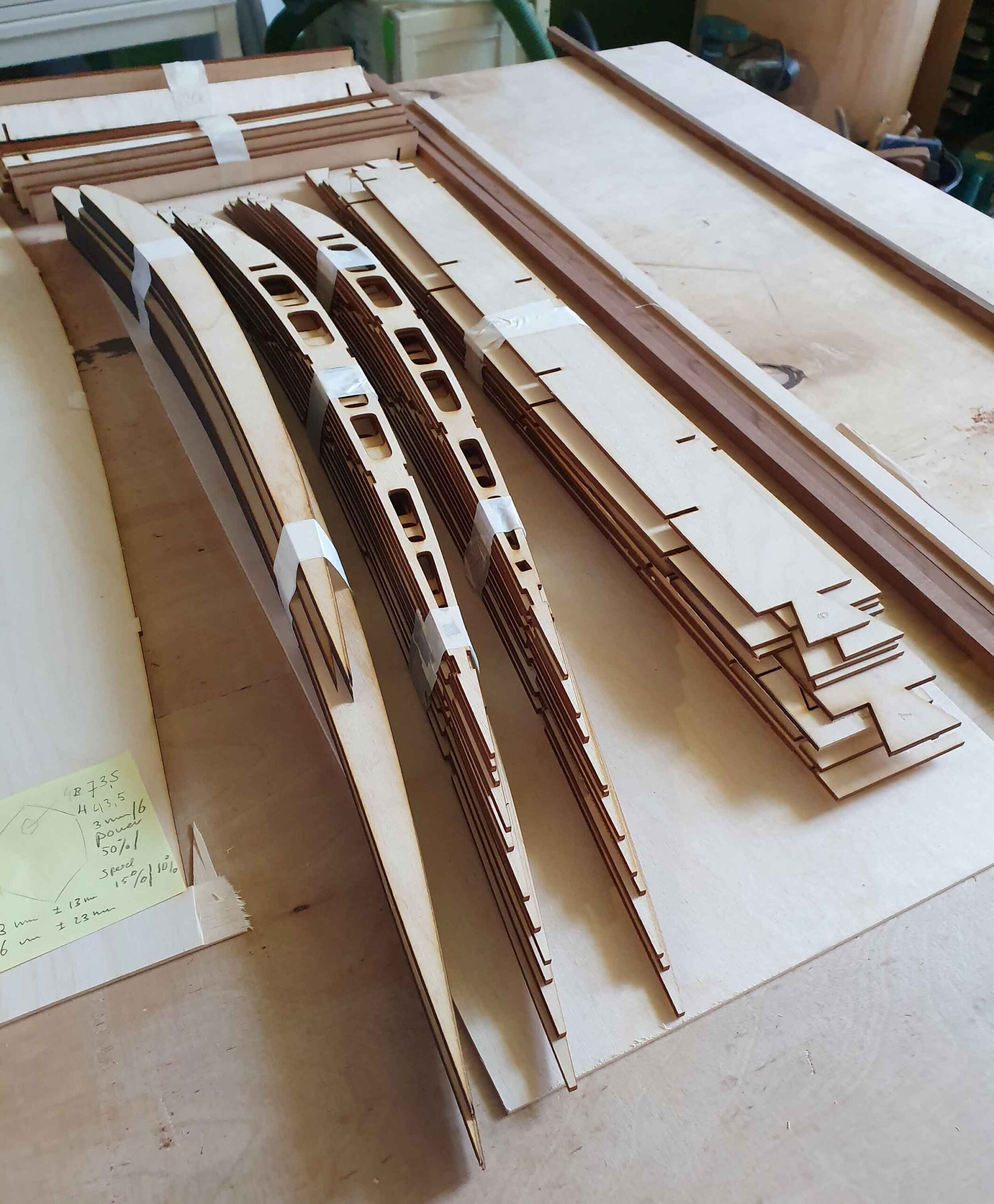
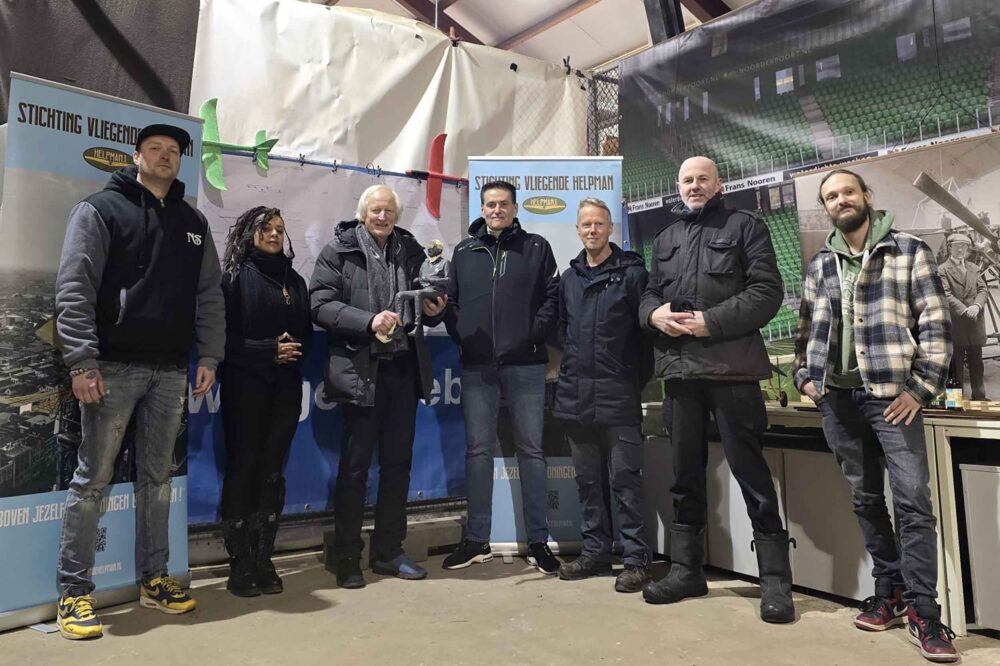
Over a century later, a volunteer group called Stichting Vliegende Helpman (Flying Helpman Foundation) has taken up the mantle of commemorating this early Dutch aviation achievement.
Their mission: to rebuild the Helpman 1 as a replica aircraft, telling the story of northern Netherlands aviation pioneers while inspiring a new generation of aircraft builders.
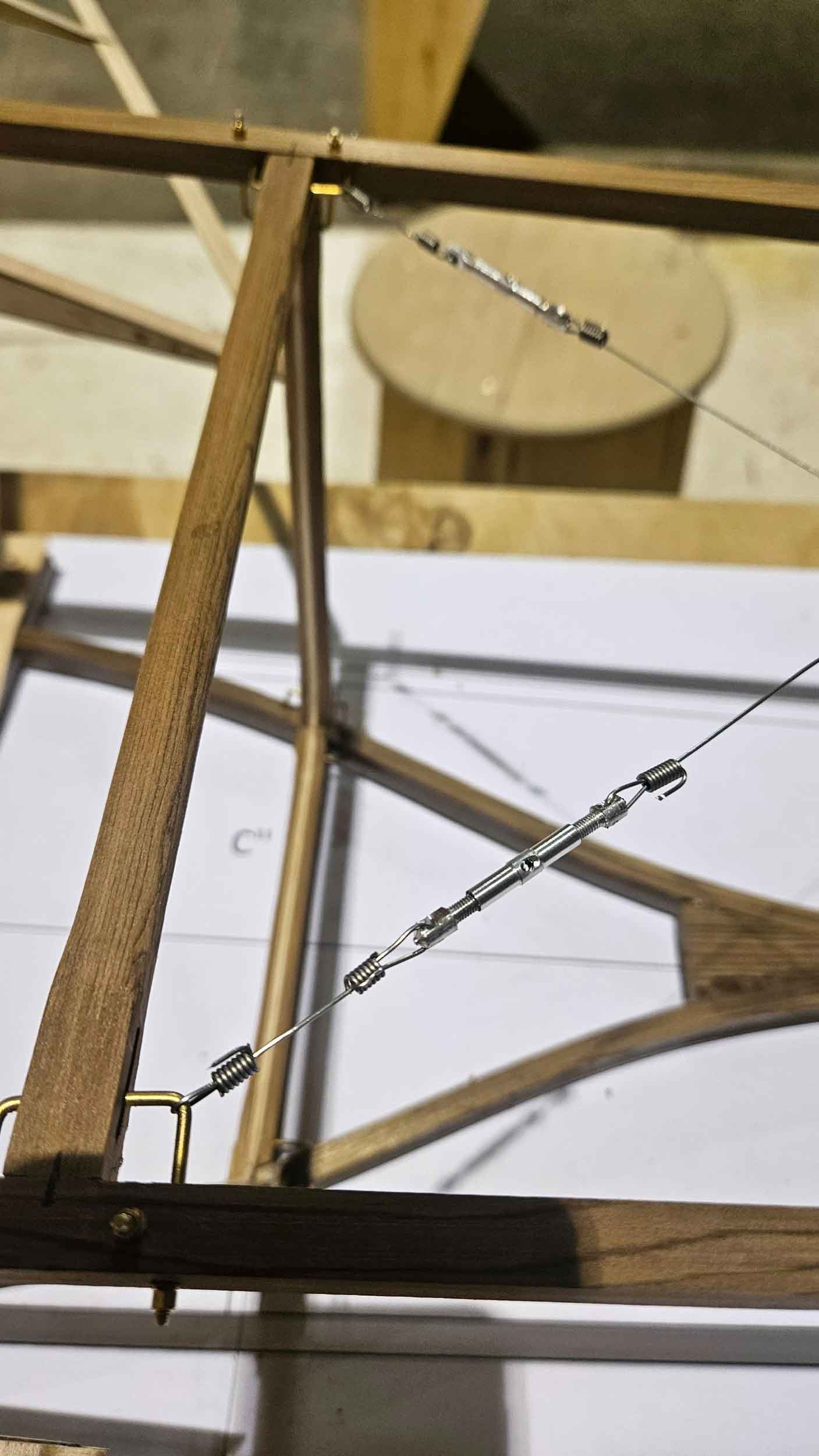
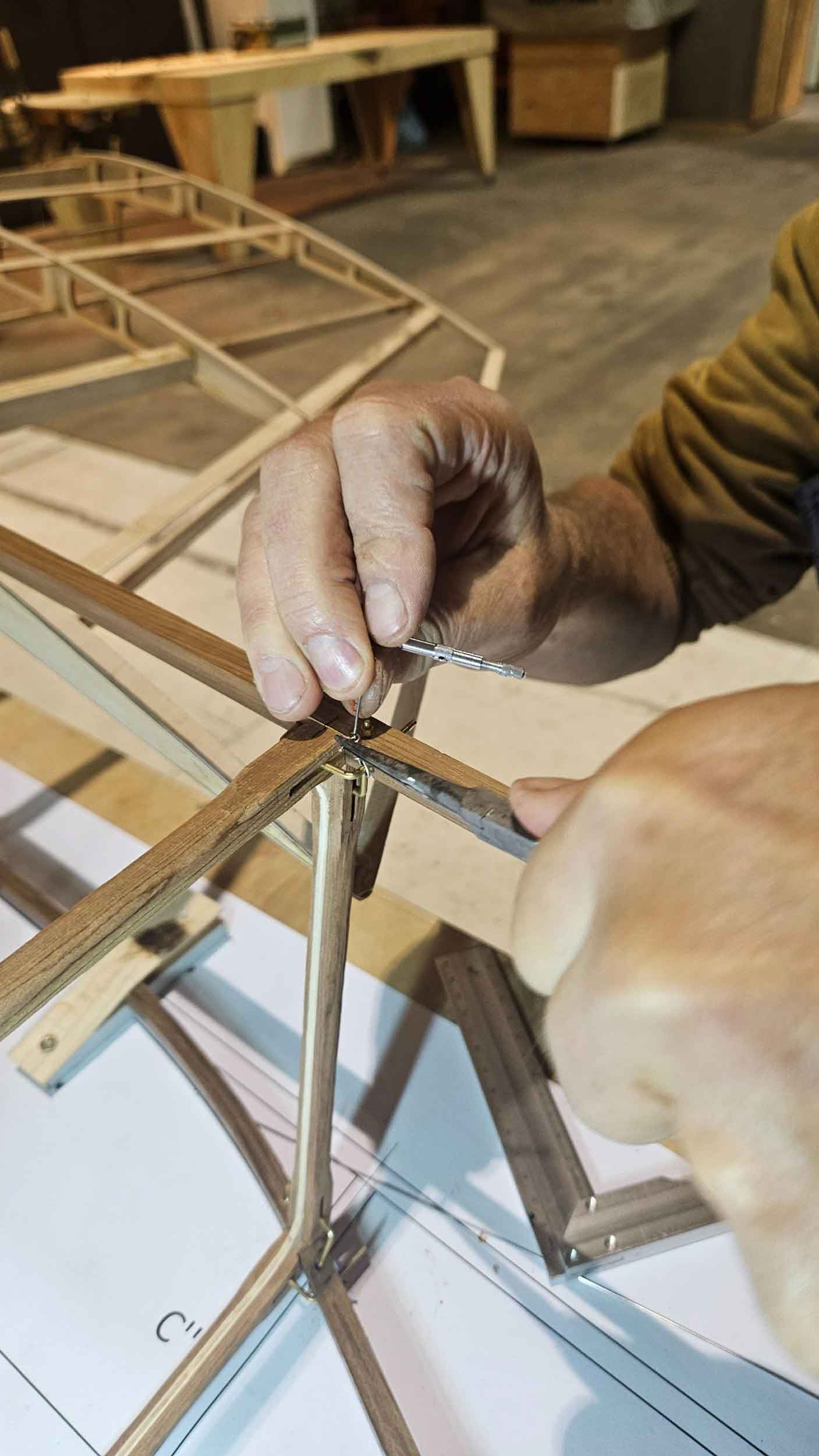
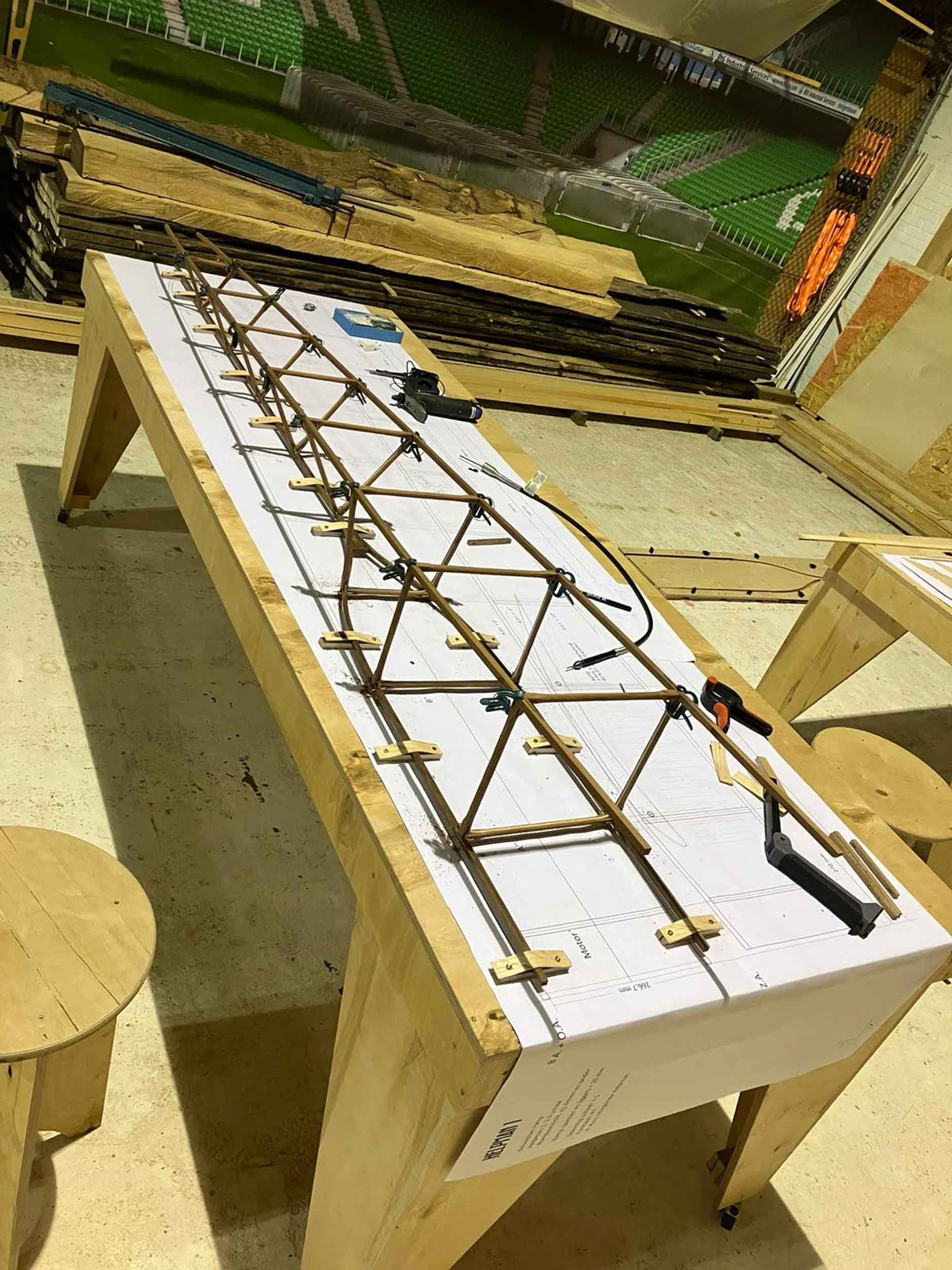
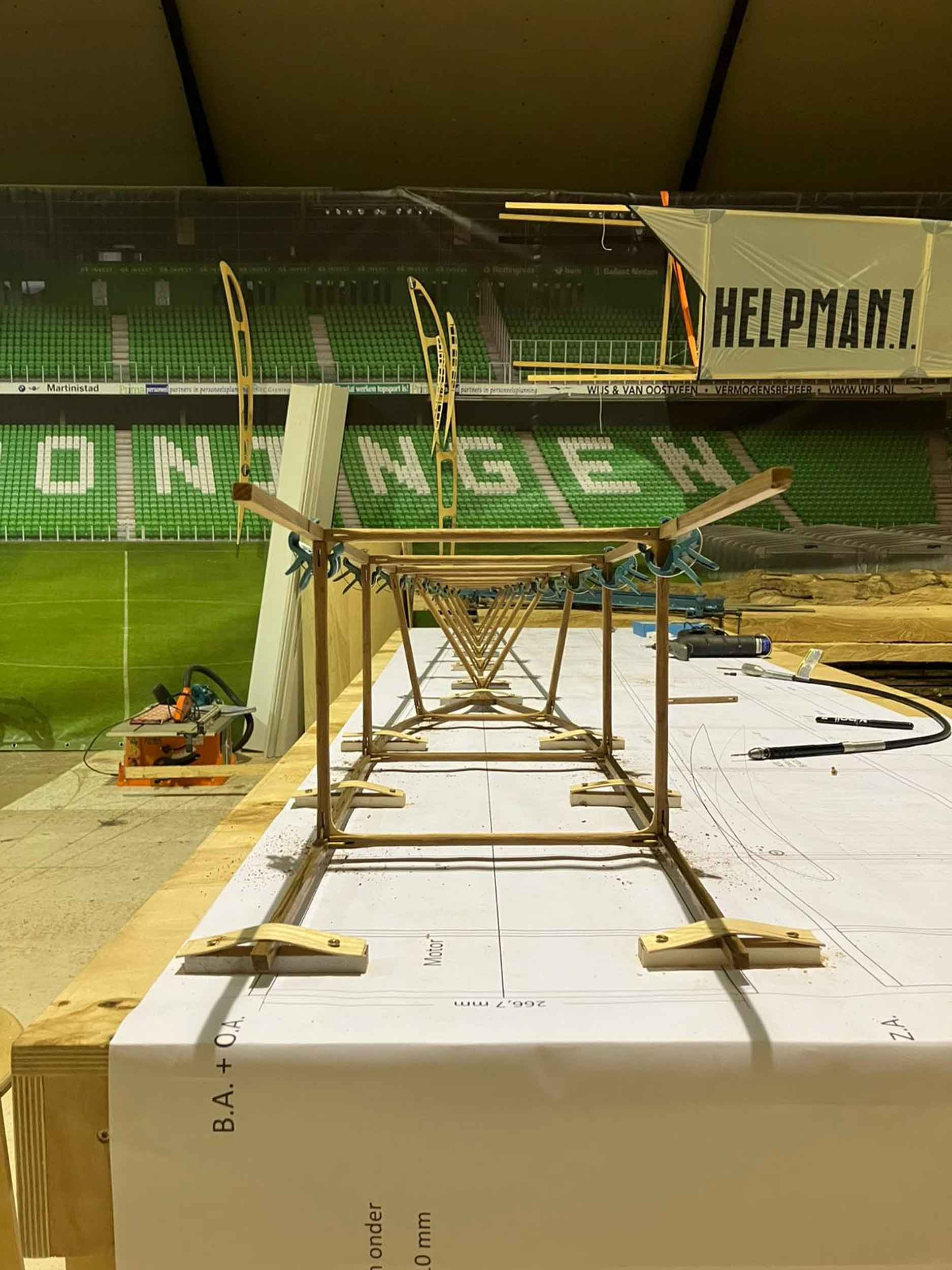
In recent years, the foundation’s volunteers have made notable progress:
The project is both a technical challenge and a cultural celebration, drawing support from volunteers, aviation enthusiasts, historians, and sponsors eager to preserve a unique piece of Dutch aeronautical heritage.
Herman Kuis, the former chairman and initiator, deserves credit for helping establish this project together with Hjalmar and Andor. They formed the foundation of this initiative and are still an important force behind it today. The volunteers include Shane (Sherida), Martin, Jaap, Danny, Ruurd, Teus, Marnix, Teun and Sjors.
Although the original Helpman 1 made only a handful of flights before its demise, its story captures the adventurous spirit of early aviators and engineers in the Netherlands. Today’s replica project not only honours that original ambition but also invites participation, experimentation, and shared pride in one of the country’s early attempts to conquer flight.