Pass the Class 1 Medical
One of the first steps should be obtaining a Class 1 medical certificate. If you cannot pass the medical requirements, it will prevent you from becoming a professional pilot.
The examination is thorough and must be conducted at an approved Aeromedical Centre. It typically takes several hours and includes checks of your medical history, eyesight, hearing, heart rhythm, lung function, and general physical health, alongside blood and urine tests. Wearing glasses is not normally an issue provided your vision falls within acceptable correction limits.
Medical fitness is a fundamental part of a professional pilot’s life. You must renew your medical regularly throughout your career, with checks becoming more frequent as you get older. Maintaining a healthy lifestyle – and having a contingency plan should you ever lose your medical – is therefore essential.
What licence do I need?
To sit in the right-hand seat of a commercial airliner, you will need either an Airline Transport Pilot Licence (ATPL) or a Multi-Pilot Licence (MPL). For some other commercial flying roles, such as instructing, surveying or parachute dropping, a Commercial Pilot Licence (CPL) with a multi-engine instrument rating may be sufficient.
Most airline pilots start their careers with what is commonly known as a ‘frozen’ ATPL. This means they have completed the theoretical ATPL exams, along with the practical licences and ratings required to operate as a co-pilot.
Once a pilot has accumulated at least 1,500 hours of flight time and met the required experience criteria, the licence can be upgraded to a full ATPL. At that stage, they are legally eligible to command an aircraft, although promotion to captain ultimately depends on airline seniority and experience.
The MPL is another pathway designed specifically for airline operations. Training is closely aligned with a particular airline and aircraft type. Because of this, MPL holders are normally tied to their sponsoring airline during the early stages of their career. After gaining sufficient experience – typically around 1,500 hours – the licence can be converted to a full ATPL.
There are many careers in aviation beyond airline flying, and the lifestyle is not for everyone. At airline selection interviews your motivation will be closely examined, so demonstrating that you have researched the industry thoroughly is important.
Integrated or modular?
Before starting training, you will need to decide which route suits you best. Two main pathways exist: integrated training and modular training.
Integrated courses are full-time programmes that take a student from little or no experience through to a professional licence in a single continuous course. These are often residential and can typically be completed within 18 to 24 months.
Modular training breaks the process into separate stages that can be completed over a longer period. This route allows students to progress at their own pace and often combine training with employment or other commitments.
Both routes lead to the same licences and airline opportunities. However, the modular pathway generally requires more total flying hours before reaching the Commercial Pilot Licence stage, while integrated courses reduce these hours through a tightly structured training programme.
The MPL route is available only through airline-affiliated training schemes. Candidates must pass a competitive airline selection process before beginning training. Because places are limited and demand is high, applicants may need to attempt the selection process more than once.
Each pathway has advantages and disadvantages, and deciding which is right for you should form an important part of your research.
Check out: How to become a professional pilot: Part 2, where we look at funding, what the training consists of and how to get an airline job.


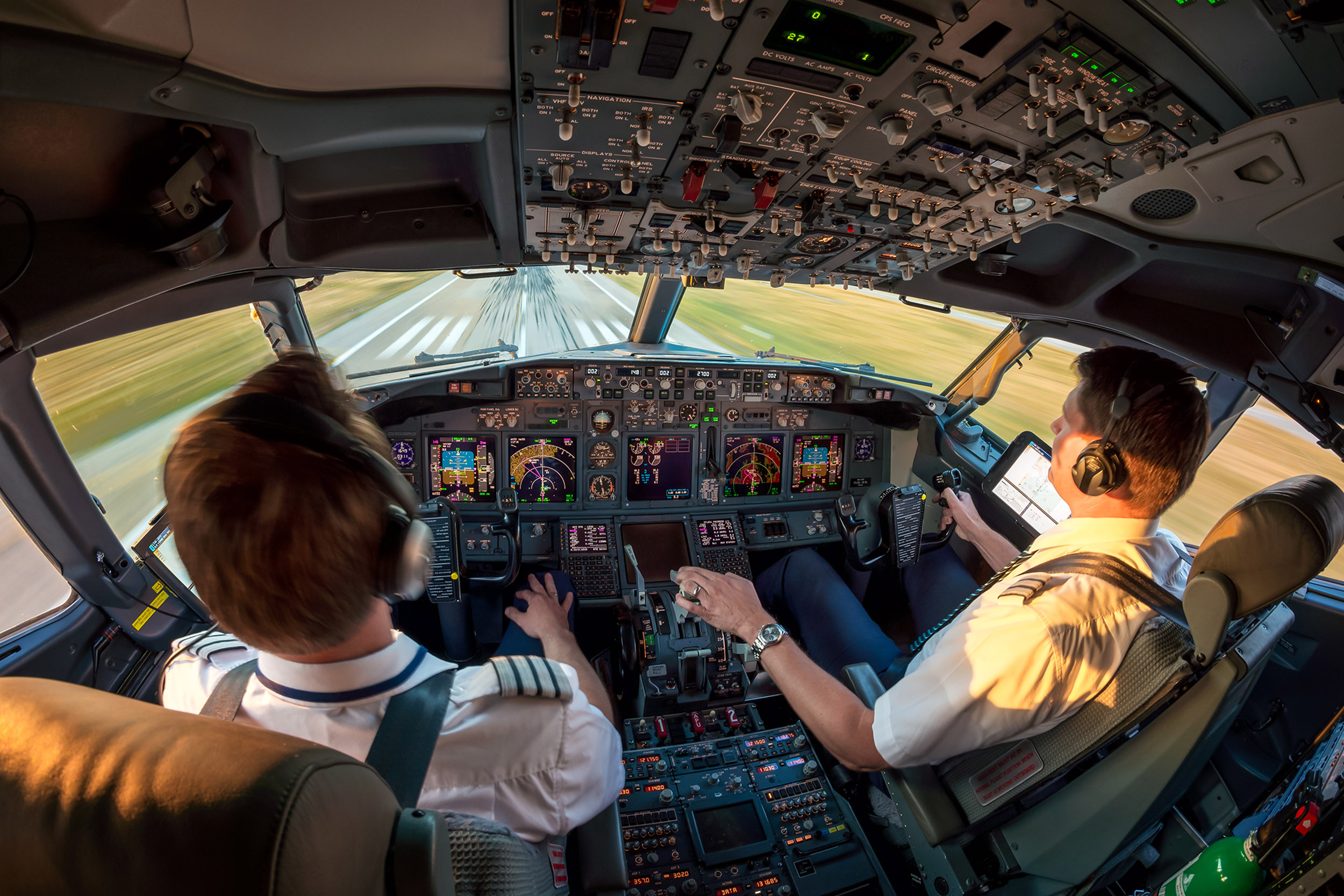
 Becoming an airline pilot is one of the most challenging and expensive – career paths in aviation. This practical guide will explain what it really takes to reach the flightdeck