The Department for Transport may not have a strategy for General Aviation but the UK Civil Aviation Authority does – and among its key aims is a commitment to removing barriers to growth.
The CAA has just published a refreshed General Aviation Strategy, setting out its vision for a “safe, innovative, and sustainable GA sector operating within a supportive and proportionate regulatory environment.”
The updated strategy is the work of the CAA’s General Aviation Unit, formed 11 years ago to reduce the regulatory burden on GA.
They acknowledge that while progress has been made, GA faces challenges, including declining flying hours, a stagnating number of licence holders and an ageing aircraft fleet.
“Additionally, transitioning to new technologies – such as advanced avionics, electric propulsion, sustainable fuel – presents challenges in terms of investment, training, and changes to regulation,” says the strategy document.
“However, these also present significant opportunities, including enhanced operational efficiency, improved safety, and greater sustainability, all of which could help to rejuvenate the sector.
“We are committed to removing barriers to growth and will continue to engage with the GA community to address the challenges facing the sector and harness the potential of emerging opportunities to reinvigorate UK GA.”
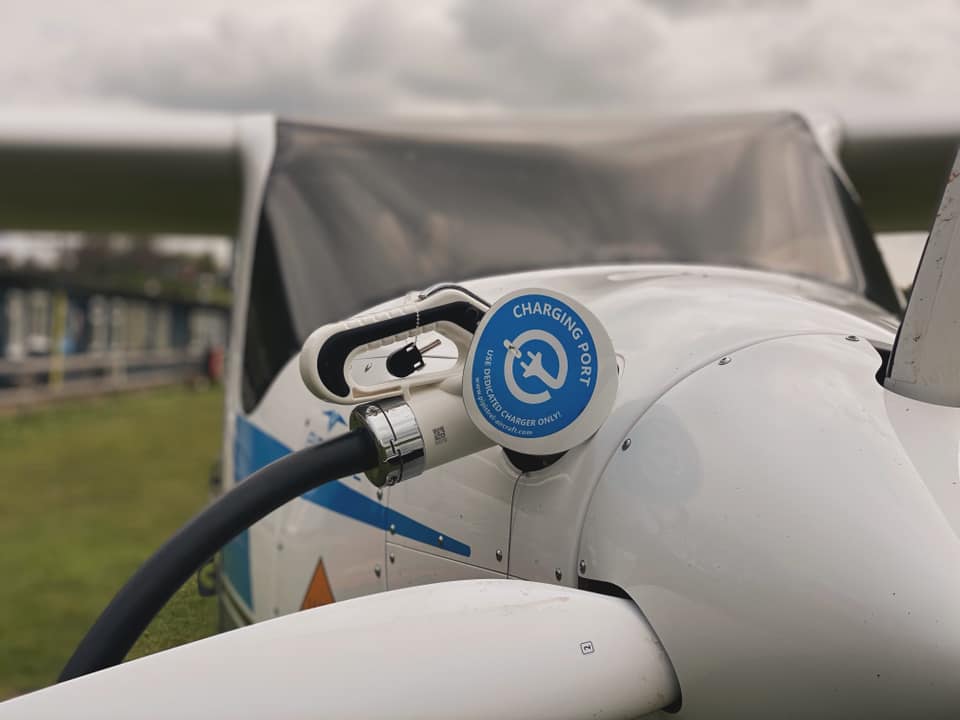
Electric power and other sustainable aviation initiatives will be encouraged by the CAA
How will the CAA do this?
The strategy outlines the CAA’s main objectives for GA:
- Support the adoption of sustainable technologies like new fuels, electric aircraft, and hybrid propulsion to promote environmental sustainability within the GA sector.
- Promote the use of E Conditions to test new technologies and facilitate bringing them to market.
- Promote cost-effective, advanced safety-enhancing technologies for GA and make them accessible by removing/reducing unnecessary regulatory burdens.
- Strengthen partnerships with the GA sector to drive innovation, share knowledge, and address key safety and environmental challenges.
Four focus areas
However, the bulk of the strategy document deals with what the CAA sees as its main tasks:
- Effective and proportionate safety standards – A risk-based approach to safety oversight, with a continued emphasis on preventing loss-of-control accidents, runway excursions, and engine failures. The CAA pledges to promote a stronger “Just Culture” across GA and improve the accessibility of safety guidance through channels like the Skyway Code, Safety Sense leaflets, and podcasts.
- Reducing regulation and increasing delegation – The regulator aims to simplify rules, remove unnecessary bureaucracy, and delegate oversight responsibilities to approved GA organisations where appropriate. The move is intended to reduce costs and improve efficiency while keeping safety standards high.
- Supporting innovation and sustainability – With the aviation industry under pressure to decarbonise, the CAA will foster the development and adoption of sustainable technologies, such as electric propulsion, hybrid and hydrogen power, and sustainable aviation fuels. The strategy highlights the continued use of “E Conditions” as a regulatory sandbox to test new technologies and bring them to market faster.
- Stakeholder engagement and service excellence – The CAA promises to strengthen dialogue with the GA community, from strategic forums with associations to grassroots outreach. It also commits to delivering more responsive services and targeted communications to improve trust and transparency.
The regulator stresses that the strategy is not tied to a fixed timeframe but will be updated as required to reflect sector needs and technological progress.
Click here to download the CAA General Aviation Strategy document.