Among the many acronyms and abbreviations in aviation there’s one that almost always generates a smile: CHIRP. It stands for the Confidential Human Factors Incident Reporting Programme. CHIRP is making a significant change to its monthly General Aviation report.
CHIRP, a registered charity, is shifting its focus from just analysing mistakes (‘Safety-I’) to also learning from what goes right (‘Safety-II).
In its August 2025 GA Feedback edition (GAFB105) Nicky Smith, Director Aviation, cites two examples of Human Factors success stories saying, “We’re introducing more of a Safety-II flavour to our analysis, identifying what went well, why it went well and what others can learn from it.
“Let us know what you think and whether any of the success stories resonate or prompt your own reflections. After all, aviation goes right over 99% of the time; let’s tap into that rich seam of learning.”
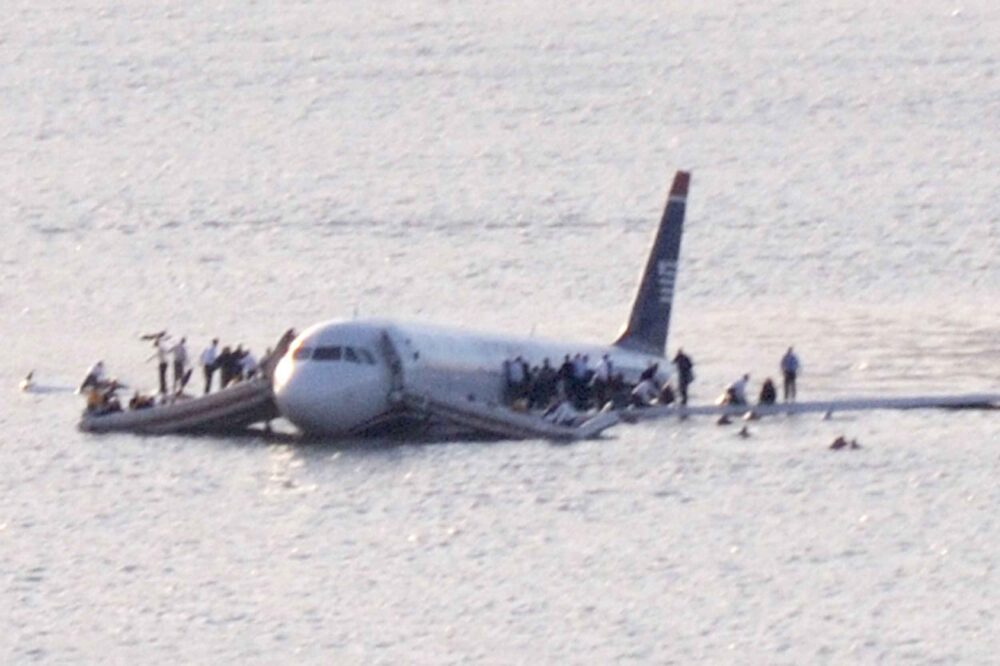
The two case studies are the ditching of an on-fire RAF Nimrod in 1995, in which Nicky Smith was then a young Sea King Search & Rescue helicopter pilot, and the now famous 2009 Hudson River incident where Captain Chesley Sullenberger landed a powerless Airbus A320. In both cases, everyone on board survived because of the calm and decisive actions taken by their captains.
The August CHIRP report also has:
- Emphasis on Threat & Error Management before flying, especially with passengers, and preparing for rare events like pilot incapacitation.
- Club websites Promoting CHIRP – British Skydiving’s example could be replicated by other clubs.
- VFR Moving Map Devices – Great situational awareness tools, but pilots must stay proficient and carry backups.
- Callsign Clarity – Suggestion to prefix callsigns with aircraft type (e.g., “Warrior G-ABCD”) to reduce R/T confusion.
In a separate incident report, radio interference between Sleap and Wickenby airfields, which both use the frequency 122.455 MHz, caused confusion to traffic crossing the airfields at about 2,000ft. The CAA is now involved and mitigation includes stating airfield/runway in every call.

I Learnt About Human Factors From That
A regular feature in CHIRP reports and this issue has a particularly scary story from a pilot now 18 years into an RAF career. The incident happened when the pilot was just 17 and holding a freshly issued PPL. Naturally, the pilot wanted to take their family for a flight in the club Cessna 172, but realised that with four seats and plenty of fuel, the aircraft would be heavy. They made the performance calculations, and had them checked by an instructor receiving the OK and some advice on handling a heavy aircraft.
At take-off time, the pilot used every inch of the grass runway and the short field technique of holding the aircraft on the brakes on full power to improve initial acceleration. But as the hedge at the end of the runway grew closer, it became apparent there wasn’t sufficient speed to take-off.
“I made my assessment of the last credible point to attempt rotating and limped the aircraft into the air – but it wasn’t over yet!” writes the pilot. “The stall warner started to go, then the aircraft started turning left (not from any control input of mine though).”
Anyway, they made it, completed the flight and talked to the flying club about what happened. The club reran the calcs – and realised they’d incorrectly labelled several of another aircraft type’s weight-and-balance/performance graphs as the Cessna 172 flown. Gulp!
Read the full story and much more in CHIRP GAFB105 which can be downloaded here.