The UK’s General Aviation world has chalked up another year of relatively low accident numbers, with both serious incidents and fatalities well below long-term averages, according to the CAA’s latest Annual Safety Review.
GA in the UK covers around 17,000 aircraft — most of them under 5,700kg — doing everything from flying training and ballooning to gliding, air displays, ex-military aircraft flights and parachuting.
In 2024, about 10,600 UK-registered GA aircraft reported close to 600,000 flying hours. That’s still a healthy amount of airborne activity, but it continues a slow, steady downward trend that’s been going on for the past seven years.
The CAA logged more than 2,200 GA-related occurrence reports last year (3.6% of all reports it received). Of those, 7% were classed as accidents or serious incidents, and only 1% led to fatal or serious injuries to people on board.
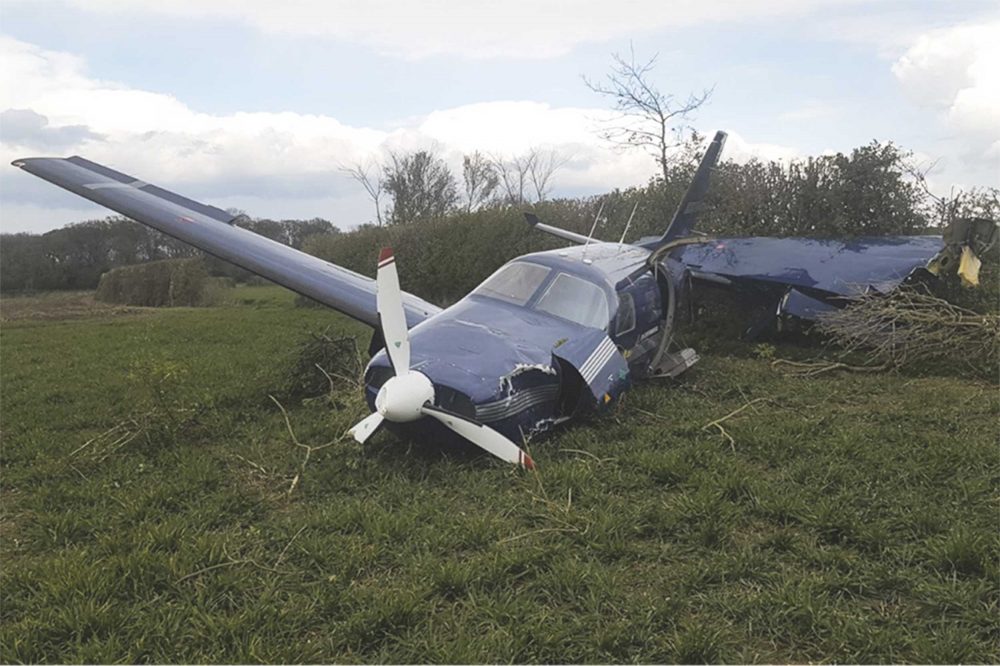
In total, there were 158 accidents and serious incidents in 2024 — well below the 10-year average of 202. The vast majority (83%) involved no injuries. Fatal accidents were also down, with eight accidents causing nine deaths, compared to a long-term average of 14. A further 11 accidents led to serious injuries for 14 people.
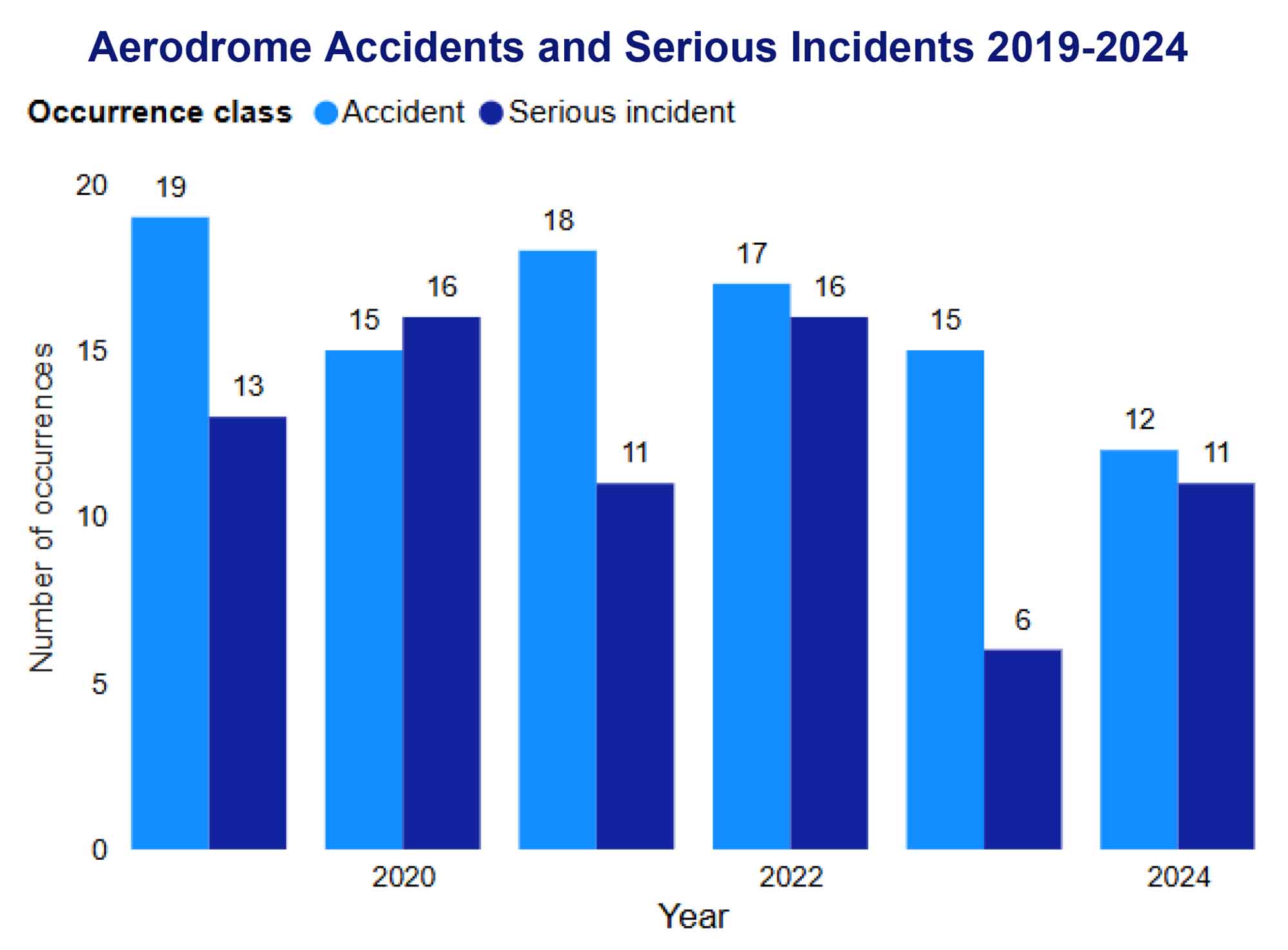
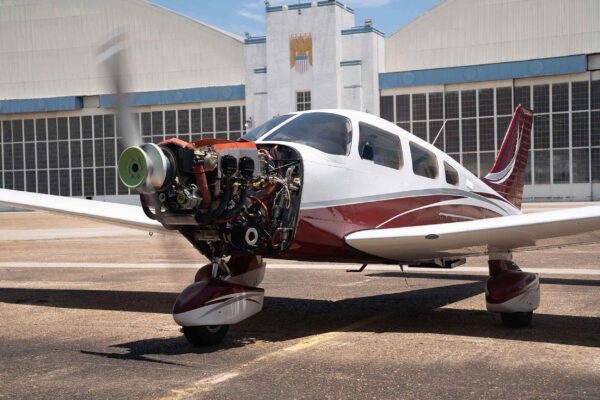
According to the report, the main causes were split between pilot performance issues — such as preparing properly for a flight or mishandling during critical stages — and technical problems, most often engine failures.
Looking back over the last six years, accident numbers have dropped from 200 in 2019 to just 131 last year. Serious incidents have also fallen to their lowest level over the same period (27), and fatalities have stayed consistently below the long-term average.
All of which paints a broadly positive safety picture. But with flying hours continuing to slip, there’s a question to be asked — are we actually flying less, and if so, why? Rising costs? Changing demographics? Or something else entirely?
CAA Safety Review